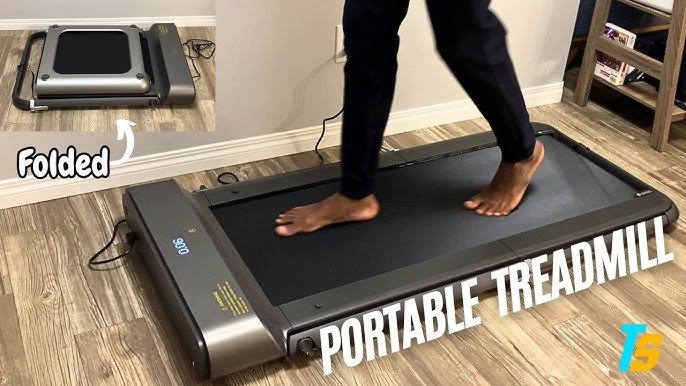
Starting Something New After 50 Can Feel Intimidating
Treadmill After 50: Is It Safe and How Should Beginners Start? For many people over 50, the idea of stepping onto a treadmill can feel a little intimidating at first.
Maybe you haven’t exercised in years.
Maybe your knees sometimes feel stiff in the morning.
Or maybe you’ve simply heard stories about people getting injured while exercising.
These concerns are completely normal.
In fact, one of the most common questions people ask before starting any form of exercise is simple:
“Is it actually safe for someone my age?”

The good news is that walking on a treadmill can be one of the safest and most controlled ways to start exercising, especially if you begin slowly and understand how to use the equipment properly.
Unlike running outside on uneven sidewalks or dealing with unpredictable weather, a treadmill allows you to:
- control your speed
- walk on a stable surface
- stop instantly if needed
- exercise safely inside your home
For people over 50 who want to rebuild stamina, improve heart health, or simply feel more active again, a treadmill can become a powerful ally.
But the key is starting the right way.
This guide will walk you through:
- whether using a treadmill after 50 is safe
- the real health benefits of treadmill walking
- the safest speed for beginners
- how long you should walk when starting
- warning signs your body may need a break
If you’re just beginning your fitness journey after years of inactivity, you may also find it helpful to read our guide on Start Exercising at Home After a Sedentary Lifestyle
Now let’s answer the most important question first.
Is It Safe to Use a Treadmill After 50?
Yes — for most healthy adults, using a treadmill after 50 is not only safe, but highly recommended when done correctly.
Walking is one of the most natural movements for the human body. It improves circulation, strengthens muscles, and helps maintain joint mobility.
The treadmill simply provides a controlled environment for walking.
Instead of dealing with uneven sidewalks, traffic, or slippery surfaces, you walk on a stable platform where you control the pace completely.
This makes treadmill walking particularly useful for people who want to start exercising cautiously.
However, safety always comes down to how you start.
Many beginners make the mistake of:
- walking too fast
- exercising too long during the first session
- skipping warm-ups
- ignoring signs of fatigue
Starting slowly prevents those problems.
In fact, walking at a comfortable pace on a treadmill is considered a low-impact exercise, which means it places much less stress on joints than activities like running or jumping.
For people over 50, that matters a lot.
Low-impact exercises help protect:
- knees
- hips
- ankles
- lower back
And when practiced consistently, treadmill walking can gradually improve strength and endurance without overwhelming the body.
If you are managing conditions such as high blood pressure or Type 2 diabetes, exercise can also be beneficial when done properly. Our article Exercise and Blood Pressure: What People Over 50 Should Know explores this in more detail
The important thing to remember is simple:
Walking on a treadmill is safe when you respect your starting point.
You don’t need speed.
You don’t need long workouts.
You simply need consistency.

Benefits of Walking on a Treadmill After 50
Many people think exercise is only about losing weight, but the benefits of walking regularly go far beyond that.
For adults over 50, consistent walking can support both physical health and overall quality of life.
Here are some of the key benefits.
| Benefit | Why It Matters for People Over 50 |
|---|---|
| Improved circulation | Supports heart health and oxygen delivery |
| Better joint mobility | Helps keep knees and hips flexible |
| Weight management | Walking helps maintain a healthy metabolism |
| Better balance | Regular movement improves coordination |
| Increased energy levels | Gentle exercise boosts daily vitality |
One of the most underestimated benefits of treadmill walking is consistency.
Weather, traffic, and safety concerns often prevent people from walking outside regularly.
But with a treadmill at home, it becomes easier to maintain a routine.
And when movement becomes part of your daily life again, many people notice improvements in:
- mood
- sleep quality
- energy levels
- confidence in their physical ability
For those building a home exercise space, you might also find our guide How to Build a Home Gym on a Budget helpful
The treadmill is often one of the most practical first pieces of equipment for beginners.
What Is a Safe Speed to Start With?
One of the biggest misconceptions about treadmills is that they are meant for running.
In reality, many beginners — especially people over 50 — benefit far more from slow, controlled walking.
Starting too fast is one of the most common mistakes new users make.
Your first goal should simply be comfortable movement.
Here is a safe guideline for beginners.
| Walking Stage | Recommended Speed |
|---|---|
| First sessions | 1.5 – 2 mph |
| Comfortable walking | 2 – 3 mph |
| Moderate pace | 3 – 3.5 mph |
At 1.5 to 2 mph, the goal is not intensity.
It is simply allowing your body to adapt to the movement.
You should feel like you can easily hold a conversation while walking.
If breathing becomes difficult, the pace is too fast.
Many treadmills also allow slight incline adjustments, but beginners should usually avoid incline during the first weeks.
Flat walking is perfectly effective at the beginning.
As your body adapts, you can gradually increase either speed or time — but rarely both at the same time.
Remember:
Consistency matters more than intensity.
Walking slowly three times a week is far more beneficial than attempting an intense workout once and feeling exhausted afterward.
How Long Should Beginners Walk?
The second major question beginners ask is:
“How long should I walk?”
The answer may surprise you.
For many people over 50 who are restarting exercise, 10 minutes is a perfectly acceptable starting point.
The body adapts gradually.
Here is a simple progression plan many beginners find comfortable.
| Week | Recommended Walking Time |
|---|---|
| Week 1 | 10 minutes |
| Week 2 | 15 minutes |
| Week 3 | 20 minutes |
| Week 4 | 25 minutes |
The goal is not to rush.
Instead, you allow your muscles, joints, and cardiovascular system to adapt slowly.
If you are completely out of shape, you may even start with two sessions of 5 minutes during the day instead of one longer walk.
Over time, these small sessions build endurance.
If you want a broader plan for building exercise habits safely, you may also find our Weekly Home Workout Schedule for Beginners helpful
The key lesson is simple:
Start small. Stay consistent. Progress gradually.
Safety Tips to Avoid Injuries When Using a Treadmill After 50
Starting a treadmill routine after 50 can be very beneficial, but safety should always come first. The goal isn’t to push your body to its limits. The goal is to build strength and endurance gradually while protecting your joints and muscles.
Many injuries that happen on treadmills are not caused by the equipment itself. They happen because beginners move too quickly, skip warm-ups, or ignore early signs of fatigue.
The good news is that most of these problems are easily avoided with a few simple precautions.
Start With Proper Footwear
One of the most overlooked factors in safe treadmill walking is footwear.
Supportive walking shoes help protect your:
- knees
- ankles
- hips
- lower back
Shoes with good cushioning reduce impact and help maintain balance. Avoid walking in worn-out sneakers or shoes without proper support.
Use the Handrails Only When Necessary
Treadmills include handrails to help with balance when starting or stopping the machine. However, holding onto them during the entire walk is not ideal.
Your arms naturally swing when you walk, and that movement helps maintain balance and posture.
Use the rails when you:
- step onto the treadmill
- step off the treadmill
- feel temporarily unstable
But once you feel comfortable walking, allow your arms to move naturally.
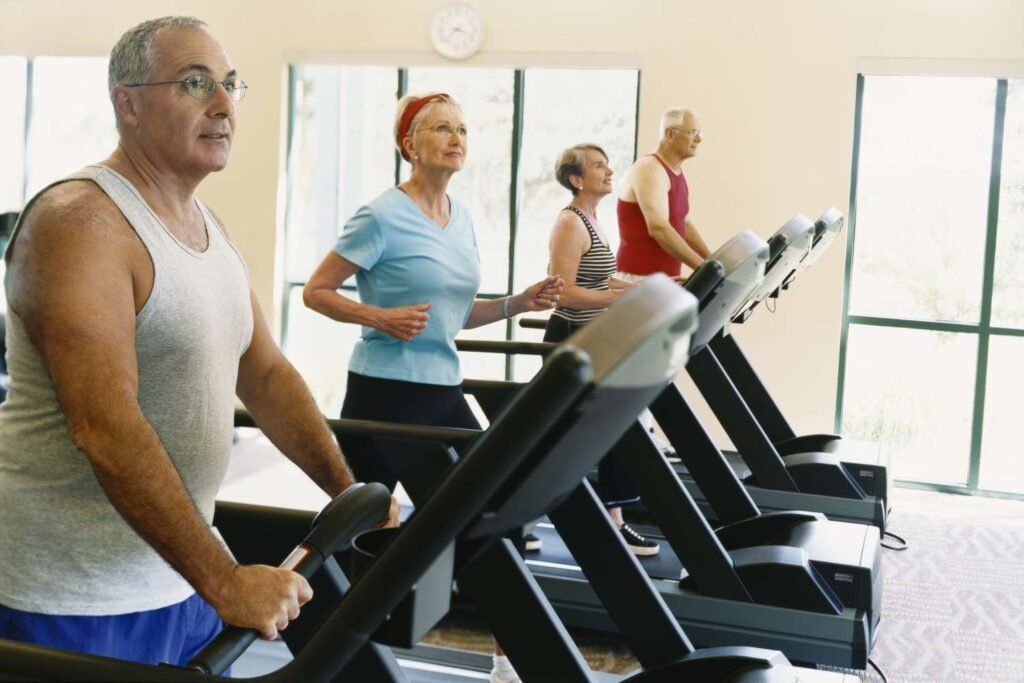
Maintain Good Posture
Posture plays a big role in preventing discomfort.
Try to walk with:
- your head up
- shoulders relaxed
- arms swinging naturally
- eyes looking forward
Avoid leaning forward or looking down constantly at the treadmill console. Looking down can create unnecessary strain on the neck and back.
Stay Hydrated
Even moderate walking can lead to dehydration, especially in warmer indoor environments.
Keep a bottle of water nearby and take small sips if needed during longer sessions.
Warm Up and Cool Down
A gentle warm-up helps your body prepare for movement.
Before starting your treadmill session, spend 2–3 minutes walking very slowly, around 1 mph, allowing your muscles and joints to adjust.
At the end of your session, reduce speed gradually for a few minutes before stepping off the machine.
This helps your heart rate return to normal and prevents dizziness.
Warning Signs That You Should Stop Exercising
Exercise should challenge your body, but it should never cause alarming symptoms.
Listening to your body is one of the most important safety habits you can develop.
Stop exercising and rest if you experience any of the following:
- chest pain or pressure
- unusual shortness of breath
- dizziness or lightheadedness
- sudden joint pain
- sharp knee or hip discomfort
These signals do not always mean something serious, but they are your body’s way of asking for a break.
If symptoms persist or feel severe, consult a healthcare professional before continuing your exercise routine.
Remember:
Progress happens over time, not in a single workout.
Walking consistently, even at a slow pace, can bring meaningful health improvements.
Treadmill vs Walking Outside After 50
Some people wonder whether it’s better to walk on a treadmill or outside.
Both options have benefits, but treadmills offer several advantages for beginners.
| Factor | Treadmill Walking | Outdoor Walking |
|---|---|---|
| Surface | Flat and stable | Can be uneven |
| Weather | Always available | Dependent on weather |
| Safety | Controlled environment | Traffic and obstacles |
| Pace control | Adjustable speed | Harder to maintain consistent pace |
For many beginners over 50, the treadmill provides a more predictable and controlled experience.
Outdoor walking can certainly be enjoyable, but it often involves:
- hills
- uneven sidewalks
- sudden stops
These factors can make it more difficult for someone who is just starting their fitness journey.
Once your confidence and endurance improve, many people enjoy combining both treadmill and outdoor walking.
According to Harvard Health Publishing, walking regularly can improve cardiovascular health, support joint mobility, and help maintain a healthy weight as we age.
Building a Sustainable Walking Routine
Consistency is more important than intensity.
Walking for 15–20 minutes three or four times per week can already create meaningful changes in your health and energy levels.
Over time, you may notice improvements in:
- stamina
- balance
- sleep quality
- daily energy
If you are rebuilding fitness after a long period of inactivity, you might also benefit from reading Beginner Exercise Guide for People Over 50
Creating a simple routine and sticking to it is one of the best ways to maintain long-term results.
Frequently Asked Questions
Is walking on a treadmill safe for people over 50?
Yes. For most healthy adults, treadmill walking is considered a safe and low-impact form of exercise. Starting slowly and increasing intensity gradually helps reduce injury risk.
What speed should beginners over 50 use on a treadmill?
Many beginners feel comfortable starting between 1.5 and 2 mph. As your body adapts, you can gradually increase to 2–3 mph for a moderate walking pace.
Is walking 10 minutes enough to start exercising?
Absolutely. Many beginners begin with 10-minute sessions. Consistency is more important than duration when starting a new exercise routine.
Can treadmill walking hurt your knees?
When done at a moderate pace with proper footwear, treadmill walking is generally gentle on the joints. Starting slowly and avoiding excessive speed helps protect the knees.
How many times per week should beginners walk?
Many beginners start with 3–4 sessions per week, allowing rest days between sessions if needed.
Final Thoughts: Start Slowly and Stay Consistent
Starting a treadmill routine after 50 does not require extreme workouts or long sessions.
What truly matters is building a consistent habit of movement.
Even small steps can make a difference:
- walking for 10 minutes
- moving a little more each week
- listening to your body
Over time, these small efforts can improve your strength, stamina, and confidence.
For many people over 50, the treadmill becomes more than just exercise equipment. It becomes a simple way to stay active, maintain independence, and support long-term health.
Start slowly, stay patient, and let your body adapt naturally.
Thinking about becoming more active after 50?
Starting with simple walking sessions can already make a difference in your energy, balance, and overall health.
If you’re just beginning your fitness journey, you may also want to read our complete guide:
Beginner Exercise Guide for Seniors: What to Do, What to Avoid, and What to Expect
This guide explains how to start exercising safely, avoid common beginner mistakes, and build a routine that feels sustainable over time.