Choosing the right cardio equipment for home workouts can be more challenging than it seems. With so many options available, many people end up confused between two of the most popular machines on the market: the rowing machine and the exercise bike.
Both are widely used in home gyms, apartments, and small workout spaces. Both promise cardiovascular improvements, calorie burning, and long-term fitness benefits. But when it comes to rowing machine vs exercise bike, the truth is that each option serves a different type of user, lifestyle, and fitness goal.
In this in-depth comparison, we’ll explore how rowing machines and exercise bikes differ, how they perform in real home environments, which muscles they work, how effective they are for weight loss, and which option makes more sense depending on space, noise, comfort, and experience level.
This guide is designed for beginners, intermediate users, and anyone trying to make a smart long-term decision for home fitness in 2026.
If you’re comparing a rowing machine vs exercise bike and want to understand which option fits your goals, space, and daily routine, the guides and reviews below can help you make a more informed decision.
- Rowing Machine Benefits 2026
- Wenoker Exercise Bike Review 2026
- CHAOKE Exercise Bike Review 2026
- Indoor Exercise Bike for Apartment
- 👉 Supplements After 40: Myths, Truths, and What Really Matters for Beginners
👉Supplements for People Starting to Exercise After 40
Understanding the Core Difference Between a Rowing Machine and an Exercise Bike
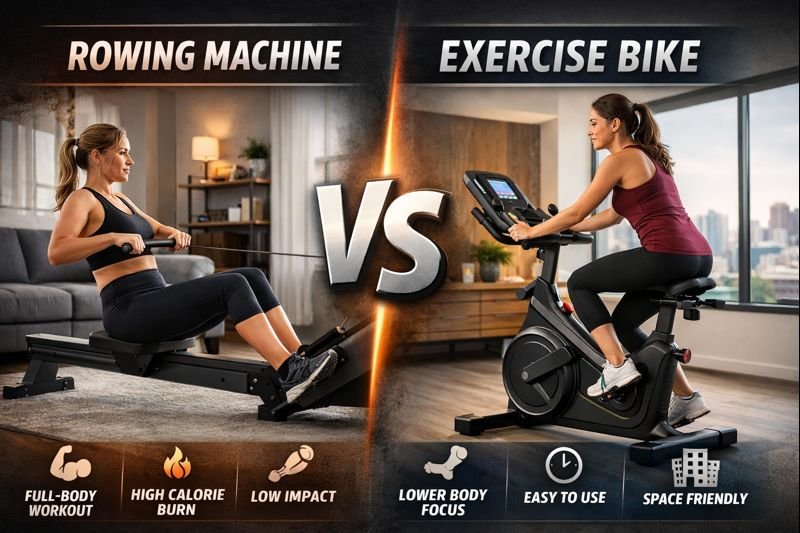
At a fundamental level, the difference between a rowing machine and an exercise bike lies in movement mechanics and muscle involvement.
A rowing machine simulates the motion of rowing a boat on water. Each stroke follows a sequence: pushing with the legs, stabilizing the core, and pulling with the upper body. This coordinated movement creates a full-body workout that blends strength and cardio into a single exercise.
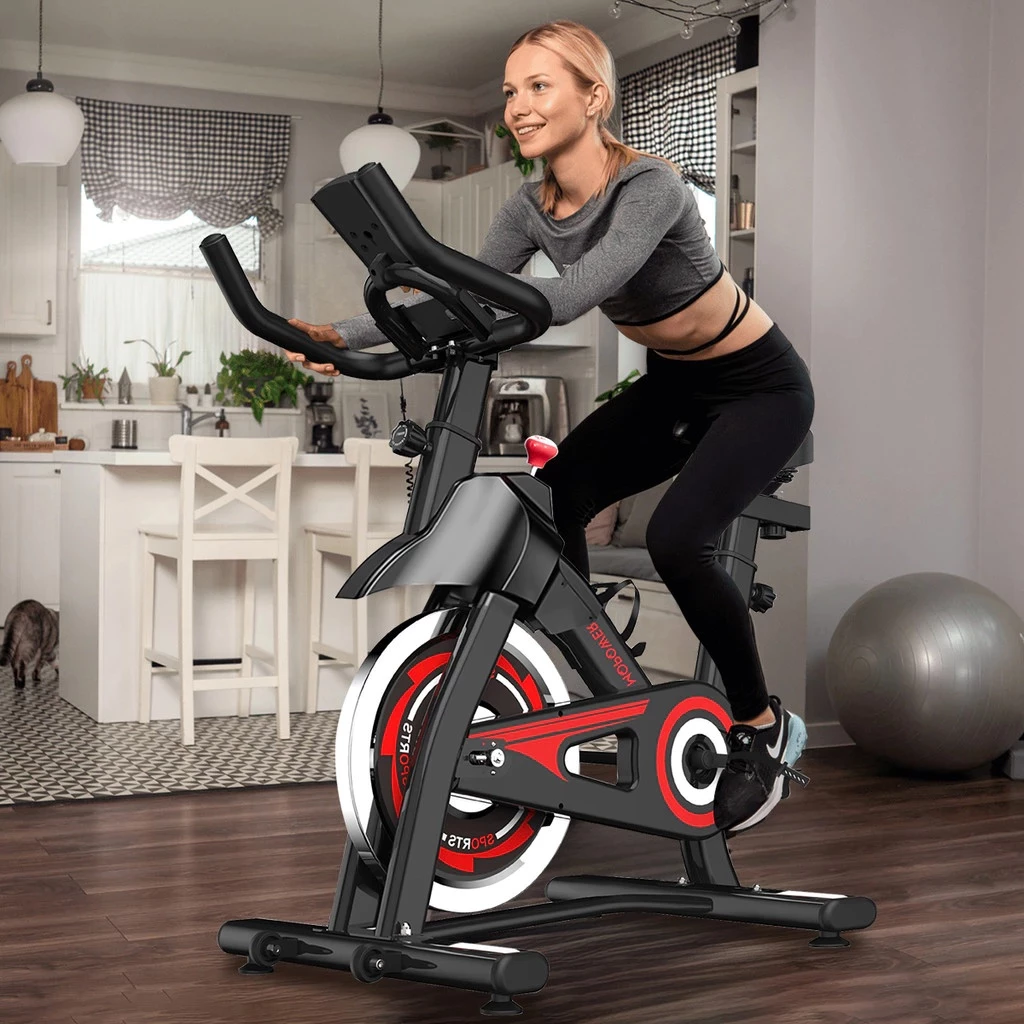
An exercise bike, on the other hand, replicates the cycling motion. Users pedal continuously, either seated or standing, focusing mainly on the lower body. The movement is repetitive, smooth, and highly accessible, which is why exercise bikes are often recommended for beginners or those seeking steady cardio routines.
Both machines improve endurance and heart health, but the experience and results feel very different over time.
Rowing Machine vs Exercise Bike: How the Benefits Compare
Full-Body Training vs Targeted Cardio
One of the most frequently mentioned advantages of rowing machines is their ability to work nearly the entire body in a single movement. During proper rowing form, users activate:
- Legs for power and drive
- Core muscles for stability and posture
- Back, shoulders, and arms for pulling
In contrast, exercise bikes primarily engage:
- Quadriceps
- Hamstrings
- Glutes
- Calves
While cycling does activate the core to some degree, it does not provide the same upper-body engagement as rowing. This makes rowing machines especially appealing for users who want more muscle involvement without switching between different exercises.
Calorie Burn and Weight Loss Potential
When comparing rowing machine vs exercise bike for weight loss, both machines can support fat loss when used consistently and paired with proper nutrition.
Average calorie burn estimates per hour vary depending on intensity and body weight:
- Rowing machine: 400–800 calories per hour
- Exercise bike: 300–700 calories per hour
Rowing tends to burn more calories in shorter sessions because it recruits more muscle groups simultaneously. However, exercise bikes allow users to maintain longer sessions more comfortably, which can balance out total calorie expenditure.
For most people, the key factor is not which machine burns more calories on paper, but which one they can use consistently over time.

Muscles Worked: A Clear Breakdown
Rowing Machine Muscle Engagement
- Quadriceps, hamstrings, glutes
- Abdominals and obliques
- Lower back muscles
- Latissimus dorsi
- Trapezius and rhomboids
- Biceps, forearms, and shoulders
Exercise Bike Muscle Engagement
- Quadriceps
- Hamstrings
- Glutes
- Calves
This difference makes rowing machines particularly effective for users seeking balanced muscle development and improved posture, while exercise bikes excel at strengthening the lower body and supporting cardiovascular endurance.
Cardiovascular Health and Endurance Training
Both rowing machines and exercise bikes provide excellent cardiovascular benefits.
Regular rowing workouts help:
- Strengthen the heart
- Improve lung capacity
- Increase overall stamina
- Enhance coordination and rhythm
Exercise biking supports:
- Steady heart-rate training
- Improved blood circulation
- Recovery-focused cardio sessions
- Long-duration endurance workouts
Neither machine is superior in terms of heart health alone. The best option depends on how intensely and how often the machine is used.
Which Option Is Better for Beginners?
Beginners often worry about complexity, safety, and comfort when choosing fitness equipment.
Exercise bikes are generally easier to start with:
- Simple pedaling motion
- Adjustable resistance
- Comfortable seated position
- Low learning curve
Rowing machines require more technique:
- Proper sequencing of legs, core, and arms
- Attention to posture
- Coordination between movements
That said, once basic rowing form is learned, rowing becomes highly beginner-friendly and safe. Many beginners eventually appreciate rowing for its efficiency and variety.

Space Requirements and Apartment Living
Space is one of the biggest deciding factors for home users.
Exercise Bike
- Compact footprint
- Easy to fit in apartments
- Quiet magnetic resistance options
- Minimal movement during use
Rowing Machine
- Longer footprint when fully extended
- Some models fold vertically
- Slightly more movement noise
- Requires more floor space
For users living in apartments or shared spaces, exercise bikes are often the more practical choice. However, folding rowing machines can still be suitable with proper planning.
Noise Levels and Daily Use
Noise is another critical factor, especially for early-morning or late-night workouts.
Exercise bikes with magnetic resistance are among the quietest cardio machines available. They produce minimal sound, making them ideal for apartment living.
Rowing machines vary:
- Magnetic rowers are relatively quiet
- Air rowers generate noticeable fan noise
- Water rowers produce natural water sounds
For noise-sensitive environments, exercise bikes typically have the advantage.
Joint Impact, Safety, and Long-Term Comfort
Both machines are considered low-impact, making them suitable for long-term use and older adults.
Rowing offers:
- Smooth, controlled movement
- Minimal knee impact when form is correct
- Balanced muscle engagement
Exercise biking offers:
- Continuous, low-stress joint movement
- Excellent option for rehabilitation
- High comfort for longer sessions
Comfort ultimately depends on seat quality, adjustability, and posture, all of which have improved significantly in modern home equipment.
Rowing Machine vs Exercise Bike for Different Fitness Goals
For Weight Loss
- Both are effective
- Rowing burns calories faster
- Cycling supports longer sessions
For Beginners
- Exercise bikes feel more intuitive
- Rowing requires initial learning
For Apartments
- Exercise bikes are quieter and smaller
- Rowing requires more space
For Full-Body Training
- Rowing clearly wins
For Daily Consistency
- Exercise bikes are easier to stick with
There is no universal winner — the best machine is the one that fits your routine and lifestyle.
Long-Term Motivation and Workout Variety
One often-overlooked factor is motivation.
Rowing machines provide variety through:
- Stroke rate changes
- Interval training
- Technique improvement
Exercise bikes offer:
- Steady rides
- Interval sessions
- App-based guided workouts
Both machines can support long-term engagement, especially when paired with fitness apps or structured training plans.
Final Thoughts on Rowing Machine vs Exercise Bike
When comparing a rowing machine vs exercise bike, the decision should not be based on trends or marketing claims. Instead, it should reflect your personal goals, available space, comfort preferences, and lifestyle.
Rowing machines excel at full-body conditioning and efficient workouts. Exercise bikes shine in simplicity, quiet operation, and consistency.
Understanding these differences allows you to make a confident, informed decision that supports long-term fitness success.
To explore detailed explanations and real-world reviews that expand on this comparison, check the related guides below.