
Walking Pad: Why This Portable Treadmill Is Changing Home Fitness After 50? For many people over 50, staying active is not about extreme workouts or complicated gym routines. It is about finding simple ways to move more during everyday life.
That is exactly where the walking pad enters the picture.
A walking pad, sometimes called a portable walking treadmill, is a compact fitness machine designed for light walking rather than intense running. Over the last few years, it has quietly become one of the most talked-about pieces of home fitness equipment in the United States.
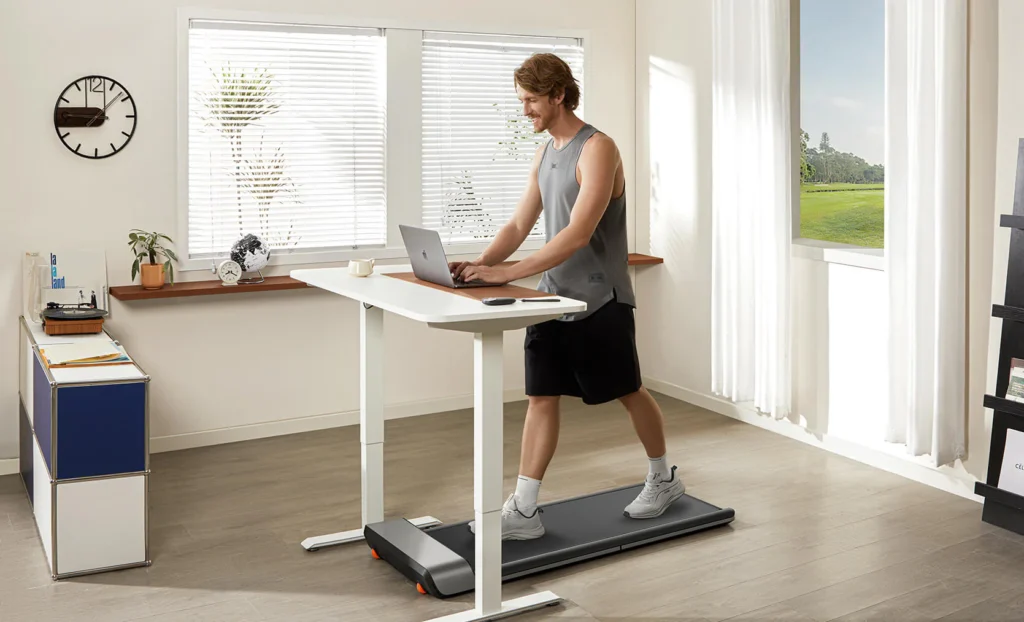
Instead of scheduling long workouts, people are using walking pads to add movement throughout the day. Some walk while answering emails. Others walk while watching television. Many place them under standing desks and walk slowly while working.
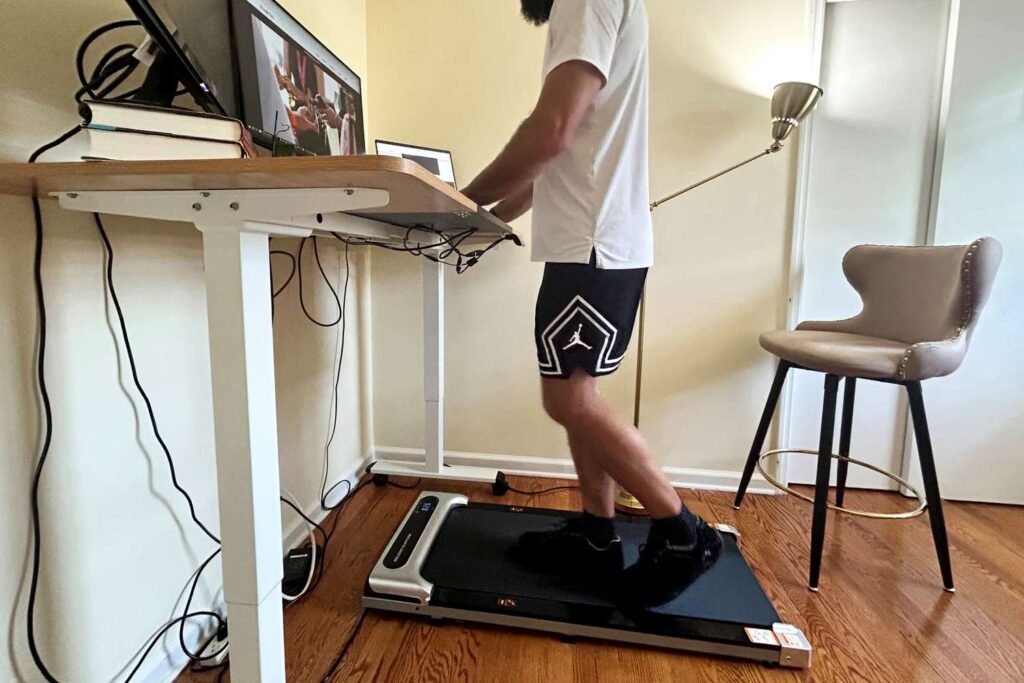
This idea may sound simple, but it addresses one of the biggest problems modern lifestyles create: long hours of sitting.
For beginners, people returning to exercise after years of inactivity, and adults over 50 who want low-impact activity, the walking pad has become a surprisingly practical solution.
But what exactly is a walking pad?
Why has it become so popular?
And most importantly: is it actually useful for beginners and older adults?
This guide explains everything you should know.
What Is a Walking Pad?
A walking pad is a compact treadmill designed specifically for walking rather than running.
Unlike traditional treadmills found in gyms, walking pads usually have:
- smaller motors
- compact frames
- minimal handrails or none at all
- lower maximum speeds
Most models focus on slow, steady walking rather than high-intensity cardio.
Because of their slim design, walking pads are often used in places where traditional treadmills would never fit:
- small apartments
- home offices
- bedrooms
- living rooms
- under standing desks
Many models can even slide under a couch or bed when not in use.
This makes them appealing for people who want to stay active but do not have space for large fitness equipment.
Why Walking Pads Became So Popular
The sudden popularity of walking pads did not happen by accident.
Several lifestyle changes helped create the perfect environment for this type of equipment.
The Rise of Home Office Work
Over the last decade, remote work has increased dramatically.
Millions of people now spend long days sitting at a desk inside their homes.
While working from home has advantages, it also introduces a major problem: less physical movement throughout the day.
Many people no longer commute, walk between offices, or move around workplaces.
As a result, daily activity levels can drop significantly.
Walking pads offer a simple solution:
walk while working.
Even slow walking helps break long periods of sitting.
Growing Awareness of Sedentary Lifestyle Risks
Health experts frequently warn about the risks associated with sedentary lifestyles.
Long periods of sitting are linked to:
- reduced circulation
- muscle stiffness
- lower energy levels
- increased cardiovascular risk
Walking pads allow people to add light movement during the day without requiring a separate workout session.
For many beginners, that small change can make a big difference.
Limited Living Space
Another reason for the rise of walking pads is simple: space limitations.
Traditional treadmills are large.
They often require dedicated rooms or workout areas.
Walking pads are designed for modern homes where space is limited.
Their slim design allows them to fit into small apartments or shared living spaces.
Walking Pad vs Traditional Treadmill
Many people first hear about walking pads and wonder:
“Why not just buy a regular treadmill?”
The answer depends on how you plan to exercise.
Traditional treadmills are designed for:
- running
- jogging
- structured workouts
- interval training
They usually include:
- large running decks
- handrails
- higher motor power
- higher speeds
Walking pads serve a different purpose.
Their focus is daily movement rather than intense training.
| Feature | Walking Pad | Traditional Treadmill |
|---|---|---|
| Main use | Walking | Running and jogging |
| Size | Compact | Large |
| Noise level | Usually quieter | Often louder |
| Storage | Easy | Difficult |
| Speed | Low to moderate | High |
For people living in apartments or working from home, walking pads are often the more practical choice.
If you want a deeper explanation of treadmill types, see
Benefits of Treadmill for Home Use: Health, Routine & Home Office Fitness.
Walking Pad vs Exercise Bike
Another common comparison is between walking pads and exercise bikes.
Exercise bikes remain one of the most popular home cardio machines.
They offer:
- seated workouts
- adjustable resistance
- longer cardio sessions
However, exercise bikes usually require dedicated workout time.
Most people sit down and exercise for 20–40 minutes.
Walking pads work differently.
They allow users to stay active while doing other tasks.
Examples include:
- working on a laptop
- watching television
- reading
- talking on the phone
This makes walking pads easier to integrate into daily routines.
For a comparison between other home cardio machines, see
Rowing Machine vs Exercise Bike: Which Is Better for Home Workouts in 2026?.
Walking Pad vs Rowing Machine
Rowing machines are known for delivering full-body workouts.
They activate multiple muscle groups including:
- legs
- core
- back
- arms
Because of this, rowing workouts can burn more calories in shorter sessions.
However, rowing machines also require:
- dedicated workout time
- more floor space
- higher effort levels
Walking pads are better suited for light movement throughout the day rather than structured workouts.
For a deeper look at rowing machines, see
Rowing Machine Benefits 2026: What It’s For, Muscles Worked, Weight Loss & Fitness Results.
Health Benefits of Using a Walking Pad
Although walking pads are simple machines, their benefits can be surprisingly meaningful.
Especially for beginners and adults over 50.
Reducing Sedentary Time
One of the biggest advantages is reducing long periods of sitting.
Even light walking helps stimulate circulation and muscle engagement.
Supporting Daily Movement Habits
Walking pads make it easier to develop consistent activity habits.
Instead of relying on motivation for intense workouts, users simply walk during normal daily activities.
Low-Impact Exercise
Walking is considered one of the safest forms of physical activity for many adults.
Compared with running, it places less stress on joints.
This can be helpful for people who prefer gentler forms of movement.
Mental Energy and Focus
Light walking may also help improve:
- alertness
- concentration
- energy levels
Many people report feeling more productive when adding movement to their workday.
How Many Minutes Per Day Should You Walk?
For beginners, the goal is not to walk as fast or as long as possible.
Instead, the focus should be consistency.
Many people begin with:
- 15 to 20 minutes per day
Over time, this may increase to:
- 30 minutes
- 45 minutes
- or even longer sessions throughout the day.
For guidance on safe exercise duration, see
How Many Minutes of Exercise Per Day Is Safe for Beginners Over 50 at Home?.
Is a Walking Pad Safe for People Over 50?
One of the most common concerns for beginners over 50 is safety.
Many people worry about starting a new activity after years of inactivity. Others are concerned about balance, joint health, or cardiovascular strain.
The good news is that walking is one of the most accessible forms of physical activity available.
A walking pad does not force high speeds or high-impact movement. Most models are designed for slow and steady walking.
For many beginners, this makes them easier to approach than more intense equipment.
However, like any exercise tool, walking pads should be used carefully.
Simple Safety Tips
For beginners over 50, these basic habits can help reduce risks:
• Start with slow speeds
• Keep your posture upright
• Avoid multitasking during your first sessions
• Use supportive walking shoes
• Stop if you feel dizzy or uncomfortable
Many people begin with just 10–15 minutes per session, gradually increasing time as comfort improves.
If you are beginning a treadmill routine later in life, you may also find helpful guidance in
Treadmill After 50: Is It Safe and How Should Beginners Start?.
Common Mistakes When Using a Walking Pad
Walking pads are simple machines, but beginners often make a few common mistakes.
Understanding these early can help create a better experience.
Walking Too Fast
Walking pads are not designed for running speeds.
Some beginners immediately try to walk as fast as possible, which can lead to discomfort or loss of balance.
A slow and comfortable pace is usually the best starting point.
Poor Desk Setup
When using a walking pad under a desk, posture becomes extremely important.
If the desk height is too low, users may lean forward or look downward constantly.
Over time, this can create neck or back strain.
A properly adjusted desk can help maintain natural posture.
Walking for Too Long Without Breaks
While walking during the workday can be beneficial, it should not replace normal breaks.
Even light activity requires occasional rest.
Short pauses help prevent fatigue and maintain focus.
Ignoring Footwear
Some users attempt to walk on a walking pad wearing socks or inappropriate footwear.
Proper walking shoes provide better grip and support.
Who Should Consider Using a Walking Pad?
Walking pads are not designed for everyone, but they can be extremely useful for certain lifestyles.
They are particularly helpful for:
Home Office Workers
People who spend long hours sitting at a desk often struggle to find time for movement.
Walking pads allow users to walk slowly while continuing daily tasks.
Beginners Starting a Fitness Routine
For individuals returning to exercise after years of inactivity, intense workouts may feel overwhelming.
Walking pads offer a gentler starting point.
Adults Over 50
Many people over 50 prefer lower-impact forms of exercise.
Walking provides movement without the joint stress associated with running.
People Living in Small Spaces
Walking pads are designed for compact environments.
They can easily fit in apartments, small offices, or shared living spaces.
Who Should NOT Use a Walking Pad?
Although walking pads are generally accessible, they may not be ideal for every situation.
They may not be suitable for people who:
• want high-intensity cardio workouts
• prefer running or sprinting
• need advanced training features
• require handrails for stability
For individuals seeking full cardio sessions, equipment like rowing machines or stationary bikes may be better suited.
For example, rowing machines provide full-body engagement and structured workouts.
You can learn more about their benefits here:
Rowing Machine Benefits 2026: What It’s For, Muscles Worked, Weight Loss & Fitness Results
How to Choose a Walking Pad
Not all walking pads are identical.
Before choosing one, it is useful to understand the features that matter most.
Motor Power
Most walking pads include motors between 2.0 and 2.5 horsepower.
This is sufficient for steady walking.
Noise Level
Quiet operation is essential, especially in apartments or shared homes.
Many modern walking pads are designed with noise reduction systems.
Speed Range
Walking pads usually operate between 1 km/h and 6 km/h.
This range supports slow walking rather than running.
Portability
One of the biggest advantages of walking pads is portability.
Many models include wheels and folding frames for easier storage.
Display and Tracking
Some walking pads include LED displays that track:
• time
• distance
• speed
• calories burned
While not as advanced as full treadmills, these displays help track daily movement.
Comparison Table: Walking Pad vs Other Home Fitness Equipment
Below is a simplified comparison between common home fitness machines.
| Equipment | Main Use | Space Required | Intensity Level | Best For |
|---|---|---|---|---|
| Walking Pad | Light walking | Very small | Low | Beginners, home office users |
| Traditional Treadmill | Running & jogging | Large | Medium to high | Cardio workouts |
| Exercise Bike | Seated cycling | Medium | Medium | Structured cardio sessions |
| Rowing Machine | Full body workout | Medium to large | Medium to high | Strength and cardio |
Each piece of equipment serves a different purpose.
Walking pads focus primarily on consistent daily movement rather than intense exercise sessions.Regular physical activity, including walking, is widely recognized as one of the most accessible ways to improve overall health. According to the Centers for Disease Control and Prevention, even moderate physical activity like daily walking can help improve cardiovascular health, reduce the risk of chronic disease, and support overall well-being.
Are Walking Pads Worth It?
For many beginners, the biggest challenge in fitness is not intensity.
It is consistency.
Walking pads lower the barrier to movement.
Instead of needing to schedule dedicated workouts, users can integrate walking into normal routines.
Examples include:
• walking while reading emails
• walking during video meetings
• walking while watching television
Over time, these small periods of activity can accumulate into meaningful daily movement.
For those curious about a specific compact model designed for home offices, you can see a detailed breakdown here:
Portable Walking Treadmill Review – Ideal for Under Desk and Home Office Use
Frequently Asked Questions About Walking Pads
Can you really work while walking on a walking pad?
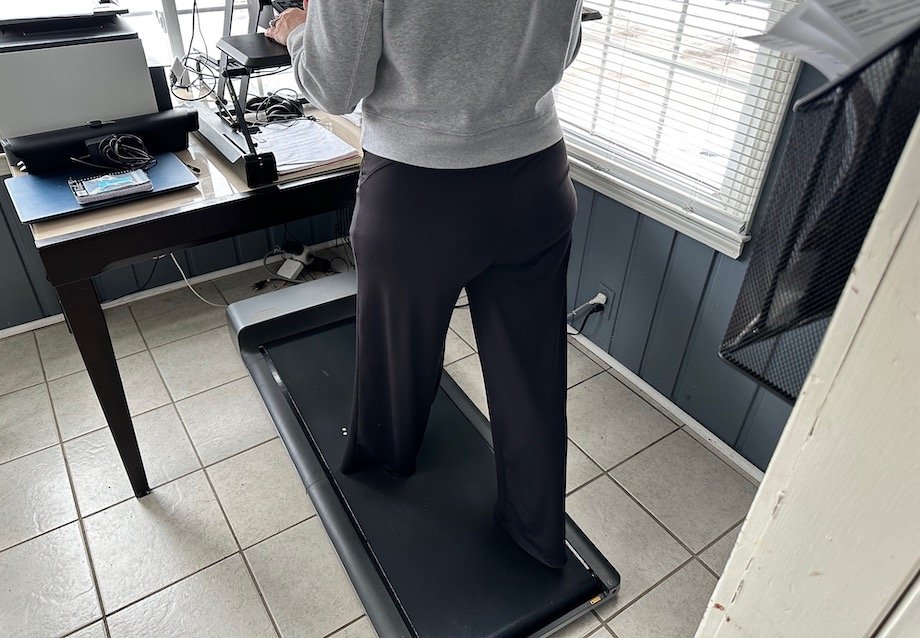
Yes. Many users walk slowly while working on a laptop or standing desk. The goal is not intense exercise but reducing sedentary time.
Are walking pads good for beginners?
Yes. Walking pads are designed for slow walking and are generally beginner-friendly.
Are walking pads safe for older adults?
For many people, walking is considered a low-impact activity. However, beginners should always start slowly and pay attention to balance and comfort.
How fast can a walking pad go?
Most models operate between 3 and 6 km/h, which is ideal for walking rather than running.
Can walking pads replace regular workouts?
Walking pads are best viewed as a tool to increase daily movement, not necessarily replace structured exercise routines.

