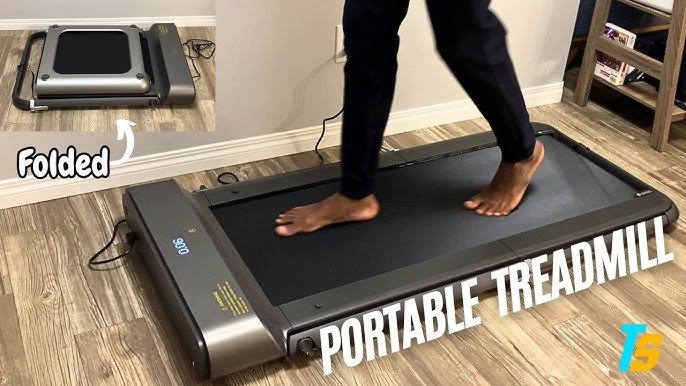
If you’re over 50 and thinking about buying a treadmill, the real question isn’t which model is best. The real question is whether it can actually improve your health in a safe, sustainable way. At this stage of life, you’re not looking for extreme results. You’re looking for stability. You want your heart to stay strong. You want your blood pressure under control. You want your joints to hold up. You want to stay independent. And maybe, quietly, you want to feel confident in your own body again.
A treadmill at home isn’t just exercise equipment. For many adults over 50, it becomes a safe space. A place where you can start again without pressure. No crowded gym. No feeling judged. No trying to keep up with someone half your age. Just controlled movement at your pace, in your home.
After 50, the body changes in ways that feel frustrating. Metabolism slows down. Muscle mass decreases gradually. Fat accumulates more easily around the midsection. Blood pressure may begin to rise. Blood sugar regulation becomes more difficult. Energy levels can drop. These changes are common — but they are not permanent sentences. Movement remains one of the most powerful tools you have.
Walking on a treadmill is one of the safest, most accessible forms of cardiovascular exercise available. It allows you to control speed, incline, and duration. Unlike outdoor walking, you don’t depend on weather or uneven pavement. Unlike high-intensity classes, you’re not forced into movements that strain your joints. It’s steady. Predictable. Controlled.
One of the first systems that responds to regular treadmill walking is your cardiovascular system. Moderate walking strengthens the heart muscle. Over time, the heart pumps blood more efficiently. Circulation improves. Resting heart rate may decrease. With consistency, blood pressure can stabilize.
For adults managing prediabetes or type 2 diabetes, walking after meals or on a consistent schedule can help muscles use glucose more efficiently. This improves insulin sensitivity and contributes to more stable blood sugar levels.
Weight management is another common goal after 50. The reality is that fat loss is slower than it used to be. But slower does not mean impossible. Consistent treadmill walking increases daily caloric expenditure and supports gradual fat reduction, especially when paired with reasonable nutrition habits.
Now let’s address the common concern about knees. Many people believe treadmills are bad for joints. In most cases, the opposite is true. Modern treadmills have built-in cushioning systems. Walking at a controlled pace is often gentler than walking on concrete sidewalks. Problems usually arise from increasing intensity too quickly or using poor posture.
Consistency is more important than speed.
Most adults over 50 benefit from moderate, repeatable routines rather than aggressive workouts.
So what actually happens to your body over time?
What Happens to Your Body? (10–30–60–100 Day Progress Timeline)
Use this general timeline to understand how your body may gradually respond to consistent treadmill walking.
| Time Frame | What You May Notice | Internal Health Changes |
|---|---|---|
| 10 Days | Slight increase in energy, better mood, reduced stiffness | Improved circulation and oxygen delivery |
| 30 Days | Easier breathing during activity, small waist reduction | Lower resting heart rate and improved cardiovascular efficiency |
| 60 Days | Noticeable stamina increase, more stable energy levels | Better blood sugar control and improved metabolic response |
| 100 Days | Stronger legs, consistent endurance, visible fat reduction | Reduced cardiovascular risk markers and improved blood pressure regulation |
These are probable responses — not guaranteed outcomes. Results vary depending on starting condition, nutrition, sleep, and consistency.
Now let’s break it down further based on daily usage.
If you walk about 30 to 40 minutes per day at a moderate pace:
You may burn approximately 150–250 calories per session depending on body weight and pace. After 30 days, that accumulated energy expenditure can contribute to gradual fat loss. Mood stability often improves due to consistent endorphin release. Sleep may become more regular. Blood pressure trends may begin shifting in a positive direction if you monitor it regularly.
At 60 days, walking 40 minutes consistently may result in improved aerobic capacity. Daily activities like climbing stairs feel easier. Blood sugar readings may become more stable if tracked.
If you extend your sessions to 45–60 minutes per day:
Caloric expenditure increases. Over 30 days, weight loss may be more noticeable if eating habits support it. At 60 days, endurance improvements become significant. Your comfortable walking pace may naturally increase without extra strain.
At 100 days of near-daily one-hour sessions, the cumulative effect is substantial. Leg strength improves. Cardiovascular conditioning deepens. Body composition can shift meaningfully. Most importantly, your functional capacity increases.

This is where independence becomes important.
After 50, exercise is less about aesthetics and more about longevity. Stronger legs reduce fall risk. Improved cardiovascular capacity makes travel, errands, and everyday life easier. Consistent walking supports bone density indirectly by stimulating muscular engagement.
Many adults avoid gyms because of embarrassment or discomfort. A treadmill removes that psychological barrier. You can begin quietly. You can build consistency privately. Confidence tends to follow action.
For beginners who have been sedentary, a smart progression matters more than duration.
Week 1: 10–15 minutes at a conversational pace, 3–4 days per week.
Week 2: 15–20 minutes.
Week 3: Add slight incline if comfortable.
Week 4: Gradually increase toward 25–30 minutes.
Month 2: Work toward 30–40 minutes consistently.
Only increase time or incline when your current level feels sustainable.
Incline can be powerful without requiring speed. A 2–4% incline activates glutes and hamstrings more effectively while keeping impact low. This increases calorie burn safely.
Signs you may be pushing too hard include persistent joint pain, dizziness, or extreme fatigue. Mild muscle soreness is normal when starting. Sharp pain is not.
Some individuals should consult a healthcare provider before beginning: those with advanced heart disease, severe arthritis, uncontrolled hypertension, or significant balance issues.
Let’s compare treadmill walking to other home equipment briefly.
A stationary bike is excellent for those with moderate knee pain. A recumbent bike offers back support. An elliptical provides low-impact cardio but requires more coordination. The treadmill stands out because walking is a natural movement pattern that transfers directly into real life.
And real life movement is what preserves independence.
There is also a mental health component that should not be ignored. Regular walking can reduce mild anxiety, support better sleep cycles, and improve overall mood stability. For adults who feel anxiety about aging or illness, physical activity restores a sense of agency.
You may not feel dramatic change in week one. But small improvements compound. That’s the power of consistency.
You don’t need to run.
You don’t need to compete.
You don’t need extreme intensity.
You need repeatable movement.
Over months, repeatable movement becomes resilience.
You don’t have to guess what’s safe at this stage of life.
If you want trusted, science-based guidance on how much exercise is recommended after 50 — straight from a U.S. government health authority — take a few minutes to review the official recommendations from the National Institute on Aging.
Your future self will thank you for making informed decisions instead of risky ones.

Frequently Asked Questions
Is it safe to use a treadmill every day after 50?
For most healthy adults, moderate walking can be done daily. The key is maintaining a conversational pace and avoiding excessive incline or speed increases too quickly.
How long should someone over 50 walk on a treadmill?
Twenty to forty minutes per session is enough to support cardiovascular health. Longer sessions increase calorie expenditure but are not required for meaningful benefit.
Can walking on a treadmill lower blood pressure?
Regular moderate aerobic activity can contribute to gradual improvements in blood pressure when combined with healthy lifestyle habits.
Is it too late to start exercising at 60 or 70?
No. The cardiovascular and muscular systems continue to adapt at any age. Improvements may occur more gradually, but benefits are still achievable.
Is treadmill walking better than outdoor walking?
Both are beneficial. A treadmill offers climate control, shock absorption, and consistent surface conditions, which many adults find safer.
Does walking help reduce belly fat after 50?
Combined with balanced nutrition, consistent walking can contribute to gradual fat reduction over time, including abdominal fat.
Before you decide what to do next, consider this:
Walking is just the beginning.
What truly determines how your body responds after 50 is not only movement — but how you combine it with recovery, joint care, smart progression, and the right equipment.
If you want to understand how to make this sustainable — and avoid the mistakes most adults make — the next step matters.
Keep reading.
Benefits of Treadmill for Home Use: Health, Routine & Home Office Fitness (2026)
How Many Minutes of Exercise Per Day Is Safe for Beginners Over 50 at Home? (2026)
Beginner Exercise Guide for Seniors: What to Do, What to Avoid, and What to Expect (2026)
ZeHuoGe Treadmill Review 2026: 3.0 HP Folding Treadmill for Home Running & Walking
NordicTrack Commercial 1750 Review (2026): Is It Worth It With the iFIT Pro Annual Membership?