
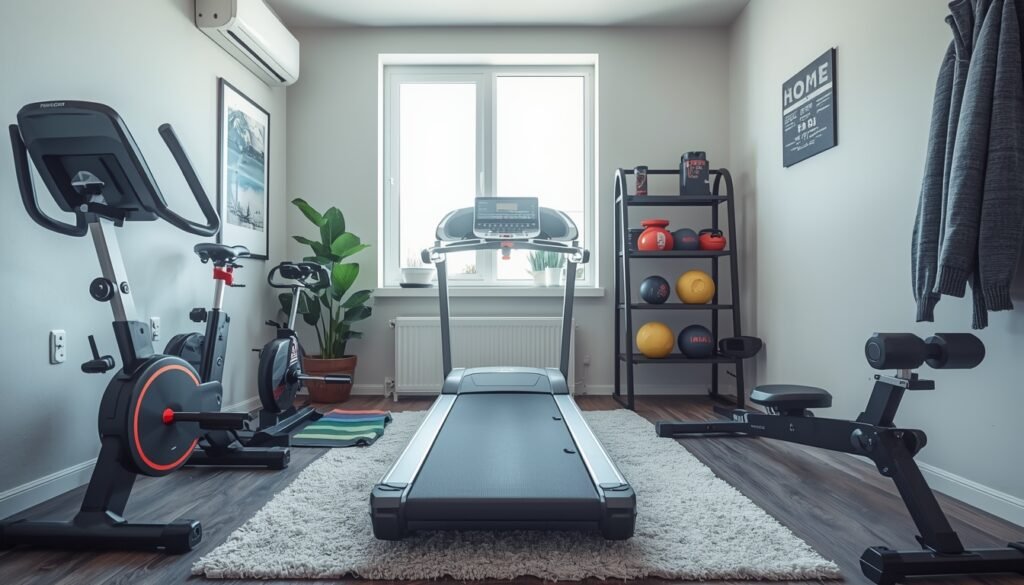
Choosing low-cost home gym equipment for Beginners (2026) can feel overwhelming for beginners. With so many machines, brands, and price ranges available, it is easy to waste money on equipment that looks attractive but does not deliver real results. For people starting their fitness journey, making smart decisions early is more important than buying expensive machines.
This guide was created to help beginners understand how to choose low-cost home gym equipment that actually works. The focus is not on selling specific products, but on teaching how to think, compare, and decide wisely before spending money. With the right approach, it is possible to build an effective home workout setup without overspending.
Why choosing the right equipment matters more than buying cheap equipment
Low-cost does not mean low quality, but cheap decisions often lead to wasted money. Many beginners believe that the cheapest equipment is the best starting point. In reality, poor choices can lead to frustration, injuries, or abandoned workouts.
Choosing equipment correctly helps beginners:
- Stay consistent with workouts
- Avoid unnecessary upgrades
- Reduce injury risk
- Save money long term
- Build confidence with simple routines
The goal is not to buy everything at once, but to choose tools that grow with your fitness level.
Common mistakes beginners make when choosing home gym equipment
Understanding what not to do is just as important as knowing what to buy. These mistakes appear repeatedly among beginners.
Buying too much equipment too early
Many beginners invest in multiple machines before developing a routine. Without consistency, equipment often becomes unused.
Choosing equipment based only on price
Extremely cheap equipment may lack durability, stability, or safety. Replacing broken gear costs more than choosing wisely from the start.
Ignoring space limitations
Large machines can dominate small apartments or rooms. Limited space leads to inconvenient setups and abandoned workouts.
Copying advanced training setups
What works for experienced athletes may not suit beginners. Complex machines often create confusion instead of motivation.
How beginners should think when choosing low-cost home gym equipment
Before looking at prices or brands, beginners should evaluate how the equipment will actually be used.
Key questions to ask:
- Can I use this equipment at least 3 times per week?
- Does it support multiple exercises?
- Does it fit my available space?
- Is it suitable for my current fitness level?
Low-cost equipment should offer simplicity, versatility, and safety.
The most important criteria for low-cost home gym equipment
When choosing home gym equipment on a budget, beginners should prioritize the following factors.
Versatility
Equipment that supports multiple exercises provides better value. One adjustable tool is better than several single-purpose items.
Space efficiency
Compact equipment allows workouts in small spaces without permanent installation.
Ease of use
Simple designs reduce intimidation and improve consistency.
Safety and stability
Beginner equipment must feel secure. Unstable gear increases injury risk.
Strength training equipment beginners should consider first
Strength training builds muscle, improves metabolism, and supports joint health. Beginners do not need heavy machines to start.
Adjustable dumbbells
Adjustable dumbbells are one of the most cost-effective choices for beginners. They allow progression over time and support full-body workouts.
Typical price range (U.S.):
- $40–$80
Benefits:
- Minimal space required
- Wide range of exercises
- Long-term usability
Resistance bands
Resistance bands are inexpensive and highly versatile. They are excellent for beginners learning movement patterns.
Typical price range:
- $15–$30
Benefits:
- Low joint impact
- Easy storage
- Ideal for mobility and rehabilitation
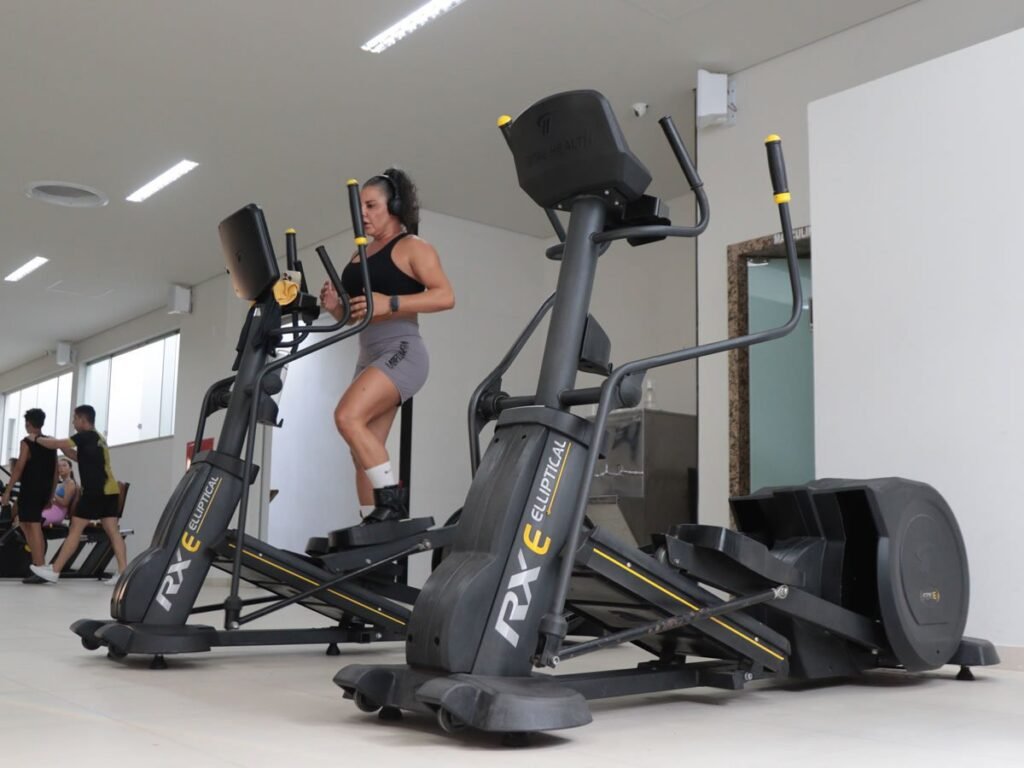
The role of cardio equipment for beginners on a budget
Cardio equipment is optional at the beginning but can be helpful for consistency and motivation.
Beginners should avoid thinking that cardio machines are mandatory. Walking, bodyweight circuits, and jump rope can be enough early on.
If cardio equipment is considered, the focus should be on low-impact and space-efficient options.
Understanding low-cost cardio options without committing to specific models
Instead of choosing a single product, beginners should understand categories of cardio equipment.
Walking treadmills (walking pads)
These compact treadmills are designed for walking rather than running.
Typical price range:
- $300–$500
Good for:
- Apartments
- Home offices
- Beginners focused on daily movement
Indoor exercise bikes
Exercise bikes provide low-impact cardio and are easier on joints.
Typical price range:
- $300–$600
Good for:
- Beginners with joint concerns
- Apartment living
- Structured cardio sessions
The decision should be based on comfort and consistency, not brand hype.
Why beginners should avoid large machines at the start
Large multi-gym machines often promise “all-in-one” solutions. For beginners, they usually create more problems than benefits.
Common issues:
- High cost
- Limited exercise adaptability
- Space requirements
- Reduced motivation due to complexity
Simple equipment encourages learning fundamentals first.
How much beginners should realistically budget
Low-cost does not mean minimal investment. It means smart investment.
A realistic beginner budget often falls into two ranges:
- Basic setup (strength-focused): $150–$250
- Basic + cardio option: $500–$800
This approach allows gradual expansion without pressure.
Matching equipment choices to beginner profiles
Different beginners have different needs. Equipment choices should reflect lifestyle and physical condition.
Apartment dwellers
- Compact equipment
- Quiet operation
- Minimal storage needs
Sedentary beginners
- Low-impact tools
- Stability-focused equipment
- Gradual progression
Busy professionals
- Easy setup
- Short, effective workouts
- Equipment that encourages consistency
Why choosing matters more than buying
The biggest advantage of choosing low-cost home gym equipment wisely is confidence. When beginners feel confident in their setup, they are more likely to stick with their routines.
The purpose of this guide is not to create urgency, but clarity. Once beginners understand how to choose, the buying decision becomes simple and stress-free.
Deep Dive: Making Smart Low-Cost Equipment Choices Without Regret
Choosing low-cost home gym equipment is not only about the initial price. For beginners, the real challenge is avoiding equipment that looks affordable but becomes useless, uncomfortable, or unsafe after a few weeks. This section expands the decision-making process, focusing on real costs, long-term value, and beginner-friendly choices.
Understanding the “cheap vs. affordable” difference
One of the biggest misconceptions beginners have is confusing cheap with affordable.
- Cheap equipment often:
- Breaks easily
- Feels unstable
- Limits exercise options
- Needs replacement soon
- Affordable equipment:
- Balances price and durability
- Supports progression
- Remains useful as fitness improves
Low-cost home gym equipment should be affordable, not disposable.

Realistic cost expectations by equipment category
Knowing average price ranges helps beginners avoid unrealistic expectations and scams.
Strength training essentials (budget-friendly)
| Equipment | Typical Price Range |
|---|---|
| Adjustable dumbbells | $40–$80 |
| Resistance bands set | $15–$30 |
| Basic flat bench | $60–$120 |
| Exercise mat | $15–$30 |
These items form the foundation of most beginner-friendly home gyms.
Low-cost cardio categories (without brand pressure)
| Cardio Type | Typical Price Range | Best For |
|---|---|---|
| Walking treadmill (walking pad) | $300–$500 | Apartments, daily movement |
| Indoor exercise bike | $300–$600 | Low-impact cardio |
| Jump rope | $10–$20 | Very limited budgets |
Cardio equipment should be chosen based on comfort, not intensity.
Equipment that looks cheap but usually becomes a mistake
Some products appear attractive because of low price tags but often lead to disappointment.
Ultra-cheap treadmills
Very low-priced treadmills often suffer from:
- Weak motors
- Limited weight capacity
- Short lifespan
These issues can create safety concerns for beginners.
Used or refurbished large machines
While tempting, used machines may:
- Lack warranties
- Have hidden mechanical issues
- Be difficult to transport or assemble
Beginners benefit more from simple, new equipment.
All-in-one home gym machines
These machines promise versatility but often:
- Require large spaces
- Restrict natural movement
- Limit progression options
For beginners, simplicity beats complexity.
How space and noise affect long-term consistency
Many beginners underestimate how environment influences habit formation.
Small spaces
Equipment that folds, slides under furniture, or stores easily encourages daily use.
Shared living environments
Quiet equipment prevents:
- Complaints from neighbors
- Family disruptions
- Reduced motivation
Low-cost equipment should adapt to your life, not disrupt it.

Choosing equipment based on beginner goals
Beginners often start with different motivations. Equipment should reflect that.
Goal: weight loss and daily movement
- Walking-focused cardio
- Light resistance training
- Emphasis on consistency
Goal: general fitness and strength
- Adjustable dumbbells
- Bench + bands
- Bodyweight exercises
Goal: health after sedentary lifestyle
- Low-impact tools
- Stable equipment
- Gradual progression
No single setup fits everyone.
How beginners should plan upgrades over time
Smart beginners do not build everything at once.
Phase 1: Foundation
- Dumbbells
- Bands
- Mat
Phase 2: Comfort and variety
- Bench
- Cardio option (walking treadmill or bike)
Phase 3: Optimization
- Better quality replacements
- Accessories for comfort
This phased approach protects the budget and reduces regret.
Why browsing options matters more than choosing brands
At the beginner stage, brand loyalty is unnecessary.
Instead, beginners should:
- Compare features
- Check weight capacity
- Read multiple user reviews
- Observe warranty terms
Seeing multiple models side by side helps beginners understand value differences.
Preparing to explore equipment options responsibly
Once beginners understand:
- what equipment categories fit their goals
- realistic price ranges
- common mistakes to avoid
They are ready to explore available options without pressure.
Browsing multiple models allows:
- budget flexibility
- personal preference
- better decision confidence
This approach reduces impulse buying and buyer’s remorse.
How this guide connects to the next step
This article focuses on how to choose, not where to buy.
For beginners who want to:
- see current prices
- compare available models
- understand market options
Dedicated reference pages can help visualize what is available today.
These pages do not replace this guide — they support it.
Learn more from this evidence-based health guide by Harvard Health Publishing.
Final thoughts: choosing wisely builds long-term success
Choosing low-cost home gym equipment for beginners is a strategic decision, not a shopping spree. With the right mindset, beginners can build an effective, affordable setup that supports long-term health and consistency.
Understanding categories, costs, and personal needs eliminates confusion. When beginners feel informed, they feel confident — and confidence leads to action.
Ready to take the next step?
Explore practical comparisons of affordable equipment for beginners and understand which options truly work in everyday life.
👉 Portable walking treadmills for home use
👉 Quiet indoor exercise bikes for apartment living
👉 Wenoker exercise bike review for beginners
👉 Benefits of treadmill training for home workouts

