
Exercise Guide for Beginners and Adults Over 50: Starting an exercise routine is rarely just about movement.
For many beginners and adults over 50, the real challenge is overcoming uncertainty. Questions appear immediately: Where should I start? How much exercise is safe? What if I get injured?
These concerns are completely normal.
Many people delay starting an exercise routine not because they lack motivation, but because they are unsure what is safe, realistic, and effective. Conflicting advice online often makes the situation worse. Some programs promote intense workouts that are unsuitable for beginners, while others oversimplify exercise to the point where progress becomes unlikely.
The truth lies somewhere in between.

Exercise does not need to be extreme to be effective. In fact, for beginners and adults over 50, the most effective routines are usually built on consistency, gradual progression, and safe movement patterns.
This guide was created to answer three essential questions:
- What types of exercise are safe to start with
- Which activities should be avoided at the beginning
- What realistic health improvements can occur over time
Instead of focusing on performance or unrealistic transformation promises, the goal of this guide is to help readers build a sustainable relationship with physical activity.
Whether you are starting from zero, returning after years of inactivity, or simply looking for a safe structure to improve your health, the principles in this guide will help you move forward with confidence.
❤️ Before You Begin
If you’re over 50, your health deserves attention – not pressure.
Starting or returning to exercise after years of inactivity should always be done gradually. The goal is not intensity or speed, but consistency and safety.
If you have joint pain, heart conditions, or chronic health issues, consider speaking with a healthcare professional before starting a new workout routine.
This article is educational and designed to help you understand how indoor cycling equipment works. It is not medical advice.
Why Physical Inactivity Becomes More Dangerous Over Time
One of the most misunderstood aspects of health is how slowly physical inactivity affects the body.
The consequences rarely appear overnight.
Instead, they accumulate gradually over months or years, often without obvious warning signs. Muscle strength decreases slightly. Joints become stiffer. Energy levels decline. Balance becomes less stable.
Because these changes occur slowly, many people assume they are simply a natural part of aging.
However, in many cases, the real cause is lack of regular movement.
Research consistently shows that prolonged sedentary behavior is associated with several health risks, including:
- reduced muscle mass
- slower metabolism
- increased blood pressure
- higher blood sugar levels
- reduced cardiovascular efficiency
- decreased joint mobility
- impaired balance and coordination
The encouraging news is that the human body is remarkably adaptable.
Even after long periods of inactivity, consistent moderate movement can begin reversing many of these changes.
The key is starting safely and building momentum gradually.
For readers returning to exercise after long sedentary periods, the article Start Exercising at Home After Sedentary Lifestyle: Safe Guide for Beginners and Seniors explains in detail how the body adapts during the first stages of movement.
What Exercise Actually Means for Beginners
Many people associate exercise with intense gym workouts, heavy lifting, or exhausting cardio sessions.
This perception discourages beginners before they even start.
In reality, exercise simply means intentional movement that improves the body’s ability to function.
For beginners and adults over 50, effective exercise should meet several basic criteria:
- It raises the heart rate gently.
- It activates major muscle groups.
- It improves circulation.
- It can be repeated regularly without causing injury.
- It supports mobility rather than restricting it.
Walking, light cycling, mobility exercises, and controlled strength training can produce meaningful health improvements when performed consistently.
The goal is not exhaustion.
The goal is sustainable movement.

The Most Important Health Benefits of Exercise After 50
Many people think exercise is primarily about weight loss or appearance.
While body composition can change with consistent physical activity, the most important benefits occur internally.
These improvements affect nearly every system in the body.
Cardiovascular Health
The heart is a muscle that responds positively to regular activity.
Moderate exercise strengthens the heart’s ability to pump blood efficiently, which improves oxygen delivery to tissues throughout the body.
Over time, this can contribute to:
- improved blood pressure regulation
- improved circulation
- reduced cardiovascular risk
Regular walking, cycling, and low-impact cardio activities are especially effective for supporting heart health.
Blood Sugar Regulation
Exercise also plays a major role in metabolic health.
When muscles contract during physical activity, they use glucose from the bloodstream as fuel. This process improves insulin sensitivity and helps regulate blood sugar levels.
For individuals concerned about metabolic health, consistent moderate exercise can support healthier glucose balance when combined with balanced nutrition.
Joint Mobility and Comfort
Joint stiffness is a common complaint among people who have been inactive for long periods.
Movement helps lubricate joints by stimulating the production of synovial fluid, which acts as a natural cushion between bones.
Low-impact activities such as walking, cycling, and rowing allow joints to move without excessive impact.
Readers interested in joint-friendly cardio options may explore the article Rowing Machine Benefits 2026: What It’s For, Muscles Worked, Weight Loss & Fitness Results, which explains why rowing is considered one of the most balanced low-impact workouts.
Digestive and Metabolic Benefits
Regular physical activity also affects digestion and metabolism.
Movement stimulates intestinal activity, which can improve digestive regularity and nutrient absorption. Many people report improvements in digestive comfort after establishing a consistent walking routine.
Exercise also influences metabolic efficiency, helping the body regulate energy use more effectively throughout the day.
Mental Well-Being and Cognitive Health
Exercise has profound effects on the brain.
Physical activity stimulates the release of neurotransmitters such as endorphins and serotonin, which help regulate mood and reduce stress.
Over time, regular movement has been associated with:
- improved mood stability
- reduced anxiety
- better sleep quality
- improved mental clarity
These mental benefits often appear within the first weeks of consistent activity.
Muscle Preservation and Strength
After age 50, maintaining muscle mass becomes increasingly important.
Muscle tissue plays a critical role in metabolism, balance, joint protection, and daily physical independence.
Without regular activity, the body gradually loses muscle mass through a process known as sarcopenia.
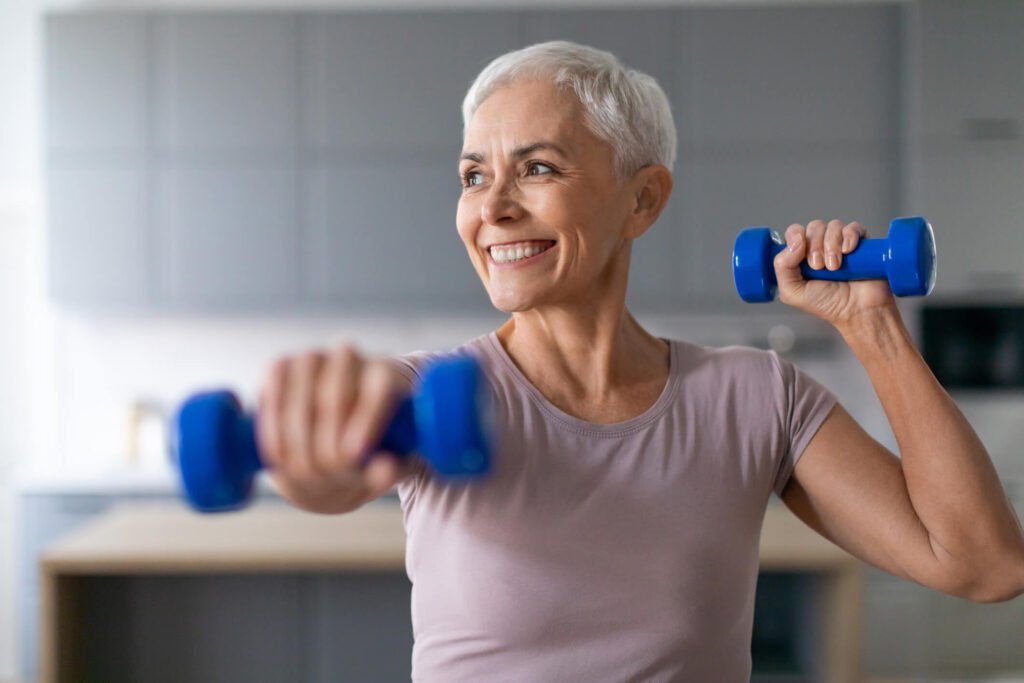
Strength exercises, even when performed with light resistance or body weight, can help preserve muscle tissue and improve functional strength.
For beginners exploring simple home exercise equipment, the guide Indoor Exercise Bike for Apartment: Quiet, Compact & No Neighbor Complaints explains how stationary cycling can support cardiovascular health and leg strength while remaining gentle on the joints.
Possible Benefits Timeline When Starting Exercise
One of the most common questions beginners ask is how long it takes to notice improvements.
While individual results vary depending on health status, consistency, and lifestyle factors, many people experience gradual progress over time.
Below is a general timeline showing possible improvements associated with consistent moderate exercise.
Possible Benefits Timeline
| Time Consistency | Possible Physical Benefits | Possible Health Improvements |
|---|---|---|
| 30 Days | Improved circulation, reduced stiffness, slightly increased stamina | Better sleep quality, improved mood, early blood pressure stabilization |
| 60 Days | Noticeable improvement in endurance and balance | Improved blood sugar regulation and digestion |
| 90 Days | Stronger muscles, improved posture, better coordination | Increased cardiovascular efficiency |
| 120 Days | Greater physical independence and daily energy | Long-term metabolic and cardiovascular health support |
Results depend on many factors, including health conditions, exercise consistency, sleep quality, and nutrition habits.
However, even modest activity performed regularly can produce meaningful long-term benefits.
Why Starting Slowly Is the Safest Strategy
One of the most common mistakes beginners make is trying to progress too quickly.
Motivation often leads people to increase exercise intensity before the body has adapted to the new workload.
This can lead to fatigue, muscle strain, or joint discomfort.
Starting slowly allows the body to adapt gradually.
During the first weeks of exercise, several physiological changes occur:
- improved coordination between muscles and nerves
- increased circulation
- improved joint lubrication
- gradual strengthening of connective tissues
These adaptations create the foundation for future progress.
Rushing the process can interrupt it.
The safest strategy is simple:
increase duration before increasing intensity.
For example:
- walk longer before walking faster
- cycle longer before increasing resistance
- perform more repetitions before adding weight
This approach reduces injury risk and supports long-term consistency.
Safe Exercises for Beginners and Adults Over 50
Choosing the right exercises at the beginning of a fitness journey is one of the most important decisions a person can make.
For beginners and adults over 50, the goal should not be to perform the most intense workouts possible. Instead, the focus should be on movements that strengthen the body gradually while protecting joints, muscles, and the cardiovascular system.
The best exercises share several characteristics:
- They are low impact, meaning they do not place excessive stress on joints.
- They can be performed consistently, several days per week.
- They promote circulation and mobility without overwhelming the body.
- They help build strength, endurance, and balance.
Below are some of the safest and most effective exercises for beginners and adults over 50.

Walking: The Most Accessible Exercise for Beginners
Walking is often underestimated as a form of exercise. In reality, it is one of the most effective activities for improving overall health.
It requires no equipment, no special skills, and can be adjusted to almost any fitness level.
Regular walking helps improve:
- cardiovascular health
- blood circulation
- joint mobility
- mental well-being
- energy levels
Walking also helps maintain muscle activity in the legs, hips, and core while supporting coordination and balance.
For beginners, a comfortable pace is enough. The goal is not speed but regular movement.
A simple walking routine might begin with:
- 10 to 15 minutes per day during the first week
- gradually increasing to 20–30 minutes as endurance improves
Over time, walking becomes easier and can be extended naturally.
Treadmill Walking: A Controlled and Predictable Environment
While outdoor walking has many benefits, treadmill walking provides a stable and controlled environment.
This can be especially helpful for beginners who want to reduce fall risk or avoid uneven outdoor surfaces.
Treadmills allow precise control over:
- walking speed
- duration
- incline level
This controlled setting allows beginners to focus entirely on posture and movement quality.
Many modern treadmills also provide shock absorption systems that reduce impact on the knees and hips.
For readers who want to understand the broader health benefits of treadmill training at home, the article Benefits of Treadmill for Home Use: Health, Routine & Home Office Fitness explains how treadmill walking supports long-term consistency.
Stationary Cycling: Gentle Cardio With Joint Protection
Exercise bikes are one of the most beginner-friendly pieces of cardio equipment.
Because cycling is performed while seated, it reduces pressure on the knees, hips, and lower back compared to many weight-bearing exercises.
Stationary cycling helps improve:
- cardiovascular endurance
- leg strength
- circulation
- metabolic efficiency
For beginners, the resistance level should remain low during the first sessions.
A typical beginner session might include:
- 10–15 minutes of cycling at comfortable resistance
- gradual increases in duration over time
Cycling is particularly beneficial for individuals who experience discomfort during walking or have mild joint limitations.
Another advantage of exercise bikes is their practicality in small homes. Many models are quiet and compact enough for apartment environments.
Readers exploring equipment options may find helpful information in Are Adjustable Dumbbells Worth It for Home Workouts?, which explains how simple equipment can complement cardio routines with basic strength training.
Rowing: A Full-Body Low-Impact Workout
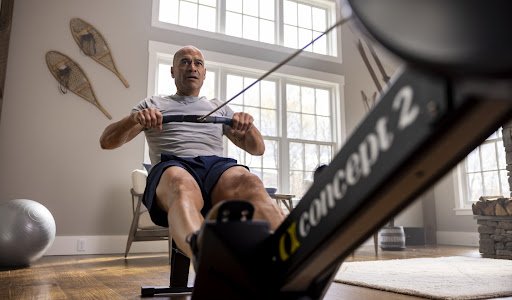
Rowing machines are often considered one of the most complete exercise tools available.
Unlike many cardio exercises that focus primarily on the lower body, rowing engages multiple muscle groups simultaneously.
During a rowing stroke, the body activates:
- legs
- glutes
- core
- back muscles
- shoulders
- arms
This makes rowing an excellent choice for beginners who want a balanced workout.
Despite engaging many muscles, rowing remains relatively low impact because the movement is smooth and controlled.
For beginners, it is important to focus on technique rather than intensity.
Short sessions of 10–15 minutes can provide significant cardiovascular benefits while improving muscle coordination.
Mobility Exercises: Restoring Natural Movement
Mobility training focuses on improving the range of motion of joints and muscles.
For beginners and adults over 50, mobility exercises are particularly important because prolonged inactivity often leads to stiffness.
Mobility movements help restore natural movement patterns in areas such as:
- hips
- shoulders
- spine
- ankles
Improved mobility supports everyday activities like:
- bending
- reaching
- climbing stairs
- standing from a seated position
Examples of simple mobility exercises include:
- arm circles
- hip rotations
- gentle spinal twists
- ankle rotations
These movements should be performed slowly and with controlled breathing.
Mobility exercises are especially useful on recovery days, when the goal is to reduce stiffness rather than increase intensity.
Stretching: Supporting Flexibility and Comfort
Stretching helps maintain flexibility and reduces muscular tension.
For beginners, stretching should always be performed gently.
The purpose of stretching is not to push the body to its limits, but to gradually improve comfort and range of motion.
Effective stretching routines focus on major muscle groups such as:
- hamstrings
- quadriceps
- calves
- lower back
- shoulders
Each stretch should be held for approximately 15 to 30 seconds while breathing calmly.
Stretching is particularly beneficial after walking or light cardio sessions, when muscles are warm.
Regular stretching supports posture and helps reduce discomfort associated with prolonged sitting.
Strength Training for Beginners: Why It Matters
Many beginners focus only on cardio exercise.
While cardio improves cardiovascular health, strength training plays a critical role in long-term physical function.
Strength exercises help maintain muscle mass, which supports:
- joint stability
- metabolic health
- balance and coordination
- independence during daily activities
For beginners, strength training does not require heavy weights.
Bodyweight exercises are often sufficient.
Examples include:
- chair squats
- wall push-ups
- seated leg lifts
- light resistance band exercises
These movements strengthen major muscle groups while remaining safe for beginners.
Over time, gradual progression can be introduced through additional repetitions or light resistance.

Comparing Low-Impact Exercises for Beginners
Different exercises provide different benefits.
Below is a simple comparison to help beginners understand how various activities affect the body.
Low-Impact Exercise Comparison
| Exercise | Impact Level | Cardiovascular Benefit | Joint Safety | Muscle Engagement |
|---|---|---|---|---|
| Walking | Low | Moderate | Excellent | Lower body |
| Cycling | Low | Moderate–High | Excellent | Legs |
| Rowing | Low | High | Very Good | Full body |
| Treadmill Walking | Low | Moderate | Excellent | Lower body |
| Stretching | Minimal | Low | Excellent | Mobility |
This comparison highlights why low-impact activities are often the best starting point for beginners and adults over 50.
How to Combine These Exercises Safely
Rather than performing the same activity every day, beginners often benefit from variety.
Combining different types of movement helps the body develop balanced strength and endurance.
For example:
- walking supports cardiovascular health
- cycling strengthens the legs
- rowing engages the upper body
- mobility exercises improve flexibility
This variety also reduces the risk of overuse injuries.
Readers who want to see how different activities can be organized throughout the week may find useful guidance in Weekly Home Workout Schedule for Beginners: A Simple Plan to Get Started.
That guide explains how to structure a balanced weekly routine for beginners.
The Importance of Listening to Your Body
One of the most important skills beginners must develop is the ability to recognize the difference between normal exercise discomfort and warning signs of injury.
Normal sensations may include:
- mild muscle soreness
- temporary fatigue
- slight stiffness
These symptoms usually disappear within a day or two as the body adapts.
However, warning signs may include:
- sharp or stabbing pain
- joint swelling
- dizziness
- persistent discomfort during movement
If these symptoms appear, exercise should be paused and intensity reduced.
Listening to the body helps maintain long-term consistency.
Exercises Beginners and Adults Over 50 Should Avoid at the Beginning
Starting an exercise routine safely does not only depend on choosing the right activities. It also requires understanding which types of exercise may be too demanding for the body in the early stages.
Many beginners feel motivated and want to progress quickly. However, certain exercises place excessive stress on joints, muscles, and the cardiovascular system before the body has adapted.
Avoiding these movements temporarily helps reduce the risk of injuries and discouragement.
The goal is not to avoid them forever.
The goal is simply to build a strong physical foundation first.
High-Impact Cardio
High-impact cardio exercises involve repetitive jumping or explosive movements.
Examples include:
- jumping jacks
- sprint intervals
- plyometric training
- box jumps
While these exercises can be effective for advanced athletes, they place considerable stress on the knees, ankles, hips, and lower back.
For beginners and adults over 50, joints and connective tissues may not yet be prepared for this level of impact.
Low-impact alternatives such as walking, cycling, or rowing allow the cardiovascular system to improve without excessive joint stress.
Intense HIIT Workouts
High-Intensity Interval Training (HIIT) has become very popular online.
These workouts involve short bursts of extremely intense exercise followed by brief recovery periods.
While HIIT can improve fitness in trained individuals, it may overwhelm beginners.
Potential issues include:
- excessive fatigue
- elevated heart rate beyond safe levels
- increased injury risk due to poor form under fatigue
For beginners, moderate and steady activity is usually more sustainable.
Gradual progress is far more effective than extreme intensity in the early stages of training.
Heavy Strength Training Too Early
Strength training is extremely beneficial, but attempting heavy lifting before developing basic movement patterns can create problems.
Lifting heavy weights too early can lead to:
- joint strain
- muscle imbalance
- poor exercise technique
Beginners should focus first on controlled bodyweight exercises and light resistance.
As coordination and strength improve, resistance can gradually increase.
Strength training performed correctly can significantly improve mobility, posture, and metabolic health.
Readers interested in understanding how strength training equipment can complement home workouts may explore Are Adjustable Dumbbells Worth It for Home Workouts?, which explains how adjustable weights can support progressive strength development.
Running Long Distances Too Soon
Running is often seen as a natural progression from walking.
However, running places significantly greater impact on joints compared to walking.
For individuals who have been inactive for long periods, jumping directly into long running sessions may increase the risk of:
- knee discomfort
- shin splints
- muscle strains
A safer progression might look like:
- Walking regularly for several weeks
- Increasing walking speed gradually
- Introducing short jogging intervals only after building endurance
This gradual approach allows muscles, joints, and connective tissues to adapt safely.
The Most Common Beginner Mistakes
Starting an exercise routine involves learning new habits.
During this process, beginners often make mistakes that can slow progress or reduce motivation.
Understanding these common errors helps prevent frustration and supports long-term success.
Doing Too Much Too Soon
Motivation is powerful at the beginning of a fitness journey.
Many beginners feel inspired to exercise every day or push themselves to exhaustion.
Unfortunately, this approach often leads to fatigue and discouragement.
The body needs time to adapt to increased activity levels.
Short, consistent sessions are usually far more effective than intense workouts performed sporadically.
Consistency builds progress.
Intensity can come later.
Ignoring Recovery
Recovery is a critical part of physical improvement.
During rest periods, the body repairs muscle tissue and strengthens connective structures.
Skipping rest days increases the risk of:
- fatigue accumulation
- joint discomfort
- reduced motivation
A balanced exercise routine should include both activity and recovery days.
For readers interested in understanding how recovery fits into a beginner routine, the article Exercise Guide for Beginners and Seniors: Safe, Low-Impact & Home Friendly provides additional guidance on balancing activity with rest.
Comparing Yourself to Others
Fitness progress is highly individual.
Two people starting exercise at the same time may experience very different progress depending on:
- previous activity levels
- health conditions
- sleep quality
- nutrition habits
Comparing progress to others can create unrealistic expectations.
The most important comparison is how you feel compared to last month, not how someone else performs.
Skipping Warm-Ups
Warm-ups prepare the body for movement.
They increase circulation, gently raise heart rate, and activate muscles before exercise begins.
A simple warm-up might include:
- slow walking
- arm circles
- gentle hip rotations
- ankle mobility exercises
Even five minutes of warm-up activity can significantly reduce injury risk.

Building a Safe Weekly Exercise Routine
Creating a weekly structure helps beginners maintain consistency.
Rather than deciding each day what to do, a simple schedule provides clarity and reduces decision fatigue.
A balanced weekly routine typically includes:
- cardiovascular activity
- strength exercises
- mobility or flexibility work
- recovery days
The exact schedule can vary depending on personal preferences and fitness levels.
Example Beginner Weekly Exercise Structure
Below is a simple structure that combines the types of exercises discussed earlier.
Beginner Weekly Routine Example
| Day | Activity | Focus |
|---|---|---|
| Monday | Walking | Cardiovascular health |
| Tuesday | Light Strength Training | Muscle activation |
| Wednesday | Mobility or Stretching | Recovery and flexibility |
| Thursday | Cycling or Rowing | Endurance |
| Friday | Walking | Circulation and stamina |
| Saturday | Optional light activity | Movement without pressure |
| Sunday | Rest | Full recovery |
This schedule encourages regular movement while allowing adequate recovery.
Over time, session duration can gradually increase.
How to Progress Safely Over Time
Progression is an essential part of any exercise routine.
However, progression should occur gradually.
Instead of increasing intensity immediately, beginners should focus on increasing duration and consistency first.
For example:
Week 1–2
Walk 10–15 minutes per day.
Week 3–4
Increase to 20 minutes.
Week 5–6
Add light strength exercises two days per week.
Week 7–8
Extend cardio sessions or introduce additional variety such as cycling or rowing.
Gradual progression allows the body to adapt safely.
Readers exploring equipment that supports low-impact progression may also benefit from Portable Walking Treadmill: Ideal for Under Desk and Home Office Use, which explains how walking treadmills support daily movement without requiring long workout sessions.
Why Consistency Matters More Than Intensity
Many beginners believe that intense workouts produce faster results.
In reality, consistency is far more important.
Performing moderate exercise several times per week allows the body to adapt steadily.
Over time, consistent movement improves:
- cardiovascular efficiency
- muscle strength
- joint stability
- energy levels
This steady improvement is what ultimately leads to long-term health benefits.
Extreme workouts performed inconsistently rarely produce sustainable results.
Building Long-Term Exercise Habits
Exercise should eventually become part of daily life rather than a temporary project.
Habits form when activities are repeated regularly in a predictable environment.
Several strategies can help build consistent exercise habits:
- scheduling workouts at the same time each day
- starting with short sessions that feel manageable
- choosing activities that are enjoyable
- tracking progress over time
The goal is not perfection.
The goal is regular movement that supports health and independence.
How Exercise Supports Long-Term Health After 50
When people think about exercise, they often imagine visible physical changes such as weight loss or muscle tone.
However, the most meaningful benefits of physical activity happen inside the body.
For beginners and adults over 50, regular movement becomes one of the most powerful tools for maintaining long-term health, mobility, and independence.
Even moderate exercise performed consistently can positively influence multiple systems of the body.
Blood Pressure and Cardiovascular Health
One of the most well-documented benefits of regular physical activity is its impact on cardiovascular health.
Moderate exercise helps the heart pump blood more efficiently, improving circulation and supporting healthier blood pressure levels.
When the heart becomes stronger, it does not need to work as hard during daily activities. Over time, this improvement may contribute to lower resting heart rate and improved cardiovascular efficiency.
Activities such as walking, cycling, and rowing stimulate circulation without placing excessive strain on the joints.
According to widely recognized health institutions, regular moderate activity plays an important role in reducing long-term cardiovascular risk.
Blood Sugar and Metabolic Regulation
Exercise also influences how the body manages glucose.
During physical activity, muscles use glucose as a source of energy. This process improves insulin sensitivity, which helps regulate blood sugar levels.
For individuals concerned about metabolic health, consistent moderate activity combined with balanced nutrition can support healthier glucose regulation over time.
Movement essentially teaches the body to use energy more efficiently.
Joint Health and Mobility Preservation
Joint health becomes increasingly important with age.
Without regular movement, joints may become stiff and lose range of motion.
Physical activity stimulates the production of synovial fluid, which lubricates joints and helps reduce friction between bones.
Low-impact exercises such as walking, rowing, and cycling allow joints to move freely while minimizing excessive stress.
Improved joint mobility also supports better balance and reduces the likelihood of falls.
Digestive Health and Circulation
Exercise also influences the digestive system.
Regular movement stimulates intestinal activity and helps support healthy digestion. Many individuals notice improvements in digestive comfort when they begin a consistent walking routine.
Increased circulation also improves oxygen delivery throughout the body, supporting overall metabolic function.
Mental Health and Cognitive Function
Physical activity has strong connections with mental well-being.
Exercise stimulates the release of neurotransmitters associated with mood regulation and stress reduction.
Many beginners report improvements such as:
- improved sleep quality
- reduced anxiety
- improved focus
- greater emotional balance
These mental benefits often appear earlier than physical changes, sometimes within the first few weeks of consistent movement.
For readers interested in a scientific perspective on how physical activity supports long-term health, Harvard Medical School explains how exercise helps preserve mobility, muscle mass, and cardiovascular function as we age.
Why Sleep Improves With Regular Exercise
Sleep quality is another area strongly influenced by physical activity.
Regular movement helps regulate circadian rhythms and reduces stress hormones that interfere with sleep.
Improved sleep supports:
- muscle recovery
- cognitive function
- hormonal balance
- immune system health
Many beginners notice that even light daily activity helps them fall asleep more easily and wake up feeling more refreshed.
Nutrition Habits That Support Exercise
Exercise and nutrition work together.
While extreme diets are rarely necessary for beginners, certain nutritional habits can support better recovery and sustained energy.
Helpful principles include:
- staying hydrated throughout the day
- consuming balanced meals with protein, fiber, and healthy fats
- avoiding highly restrictive diets that reduce energy levels
Balanced nutrition helps the body repair muscles, support metabolism, and maintain consistent energy for physical activity.
How Exercise Supports Independence Later in Life
One of the most important but often overlooked benefits of exercise is its role in maintaining independence.
Muscle strength, coordination, and balance all contribute to the ability to perform everyday activities safely.
These include:
- climbing stairs
- carrying groceries
- standing from a seated position
- maintaining balance while walking
Regular movement helps preserve these abilities.
In many cases, consistent moderate exercise allows individuals to remain active and independent for many years.
When to Seek Professional Medical Advice
While exercise is generally safe for most people, certain individuals may benefit from medical guidance before starting a routine.
Examples include people with:
- cardiovascular conditions
- uncontrolled high blood pressure
- severe joint problems
- chronic health conditions
Consulting a healthcare professional can help determine safe activity levels and appropriate starting points.
Exercise should always support health rather than compromise it.
FAQ – Exercise for Beginners and Adults Over 50
Is it safe to start exercising after age 50?
Yes. In most cases, moderate exercise is not only safe but highly beneficial for adults over 50.
Activities such as walking, cycling, mobility training, and light strength exercises can improve cardiovascular health, mobility, and overall well-being when performed consistently.
How often should beginners exercise?
Most beginners benefit from exercising three to five days per week.
Sessions do not need to be long. Short, consistent sessions are often more effective than occasional intense workouts.
How long should a beginner workout last?
A typical beginner session may last 15 to 30 minutes.
As endurance improves, the duration can gradually increase.
Consistency is far more important than session length.
Can people over 50 build muscle?
Yes.
Although muscle development may occur more gradually with age, strength training remains highly effective for preserving and building muscle tissue.
Bodyweight exercises and light resistance training can significantly improve strength and joint stability.
What is the best type of exercise for beginners?
The best exercise is one that can be performed consistently without causing discomfort.
Low-impact activities such as walking, cycling, rowing, and mobility training are often excellent starting points.
Is it normal to feel sore when starting exercise?
Mild muscle soreness during the first weeks of activity is common.
However, sharp pain, dizziness, or joint discomfort should not be ignored.
If these symptoms occur, intensity should be reduced and rest may be necessary.
What if I miss a workout day?
Missing a workout occasionally is completely normal.
Consistency over weeks and months matters more than perfect adherence to a schedule.
Simply resume activity during the next planned session.
Trusted Health Reference
For readers interested in the scientific perspective on how physical activity supports health and longevity, the following educational resource provides additional insights:
Exercise and Aging – Harvard Medical School
This resource explains how regular movement supports cardiovascular health, mobility, and overall well-being as people age.
Final Thoughts
Starting an exercise routine does not require extreme effort or perfect discipline.
The most effective routine is one that can be repeated consistently over time.
For beginners and adults over 50, the focus should always be on:
- safe movement
- gradual progression
- consistency
Physical activity is not about achieving perfection.
It is about building a sustainable habit that supports long-term health, mobility, and quality of life.
Small steps taken regularly often lead to the most meaningful changes.
Consistency beats intensity.

