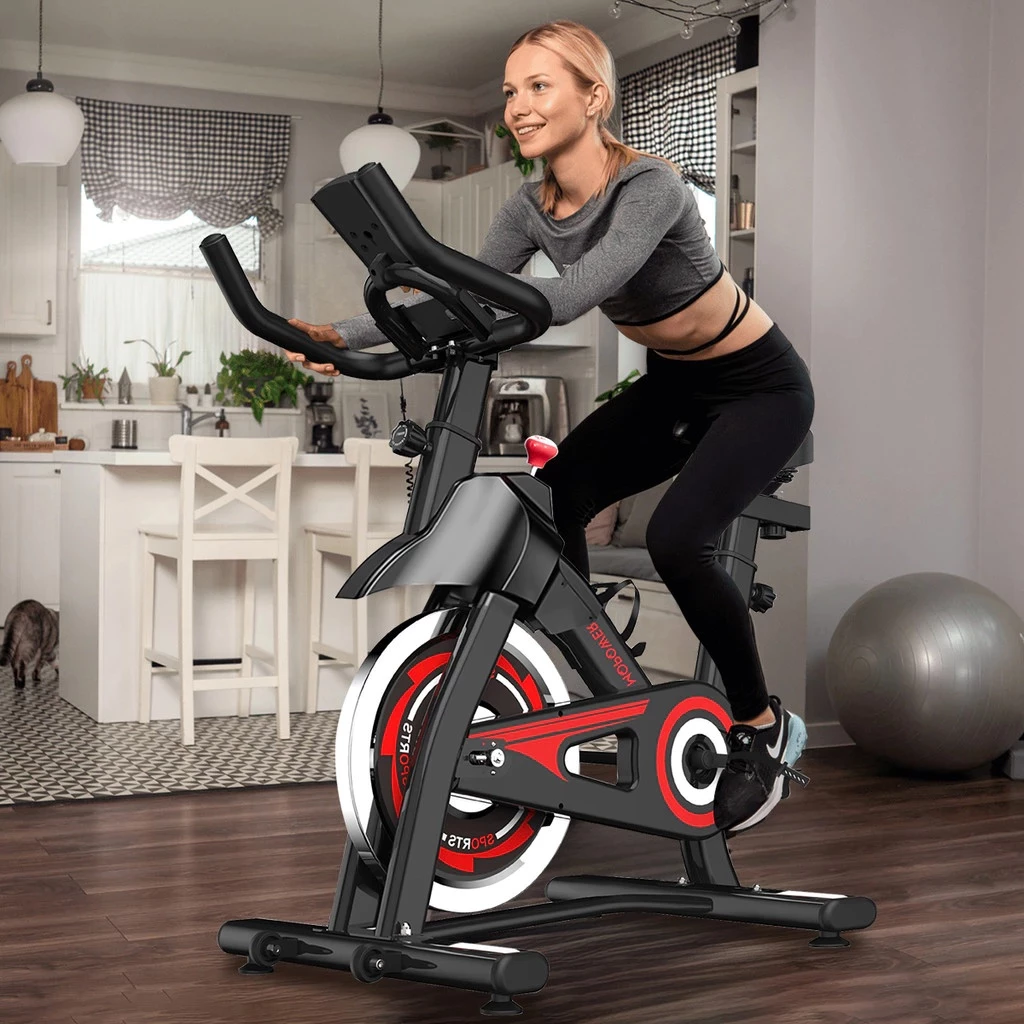
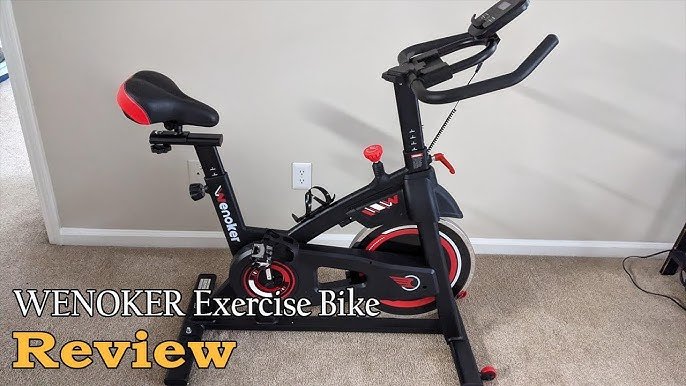
Indoor Exercise Bike for Apartment: Living in an apartment should never mean giving up your ability to stay active.
Yet for many people, the idea of exercising at home quickly raises one concern: noise.
Apartment living comes with very real limitations. Shared walls, thin floors, neighbors above and below, and compact living spaces can turn even a simple workout into a potential disturbance. What feels quiet inside your apartment might sound very different to someone living underneath you.
This is why choosing cardio equipment for an apartment requires more thought than simply buying the first machine you see online.
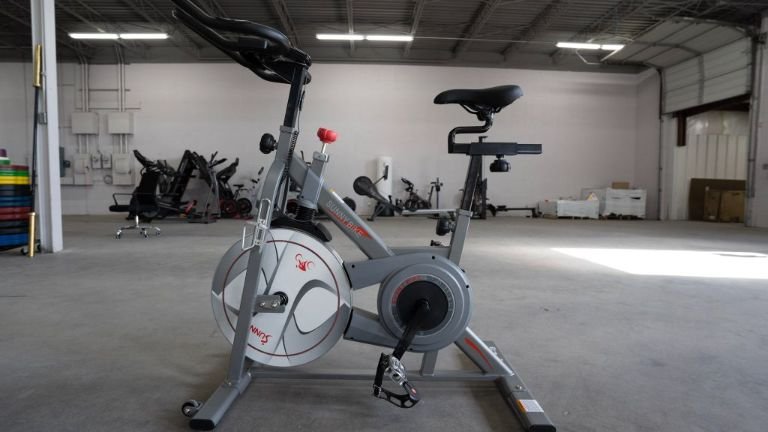
Some machines generate strong impact vibrations that travel through the building structure. Others require large footprints that overwhelm small living spaces. And some equipment may be technically quiet but still transmit repeated mechanical vibrations through the floor.
The good news is that not all cardio equipment creates these problems.
In fact, one piece of equipment consistently stands out as the most apartment-friendly cardio option available: the indoor exercise bike.
When designed with the right mechanical features, a stationary bike can deliver effective cardiovascular exercise while producing minimal sound and almost no structural vibration. For people who want to stay active without worrying about complaints from neighbors, this makes indoor cycling an extremely practical solution.
This guide explains exactly why exercise bikes work so well in apartments, how to choose the right model, and how to set up your equipment to minimize noise even further.
We will also explore how indoor cycling supports cardiovascular health, why it is especially beneficial for adults over 50, and how beginners can build a sustainable workout routine using a simple weekly structure.
❤️ Before You Begin
If you’re over 50, your health deserves attention — not pressure.
Starting or returning to exercise after years of inactivity should always be done gradually. The goal is not intensity or speed, but consistency and safety.
If you have joint pain, heart conditions, or chronic health issues, consider speaking with a healthcare professional before starting a new workout routine.
This article is educational and designed to help you understand how indoor cycling equipment works. It is not medical advice.
Why Apartment Fitness Requires Smarter Equipment Choices
Exercising inside a house and exercising inside an apartment are two very different situations.
In a house, the structure is usually isolated. Floors are thicker, and there is no one living directly below you. A treadmill or other high-impact equipment might produce noise, but that noise rarely affects others.
Apartment buildings work differently.
Floors, walls, and ceilings are part of a shared structure. Vibrations travel through these materials and can amplify sounds that seem small inside your own space.
Even something as simple as repeated footsteps during a workout can travel through the floor and become noticeable to neighbors.
This is why apartment-friendly exercise equipment should meet several important criteria:
• minimal mechanical noise
• low vibration transmission
• compact design
• stable structure
• smooth movement patterns
Machines that rely on heavy impact — like running or jumping — are much more likely to cause disturbances.
This is where indoor cycling offers a major advantage.
Cycling produces rotational movement rather than vertical impact.
Instead of repeated pounding against the floor, the movement occurs inside the flywheel system of the bike. Because of this design, the mechanical energy stays mostly inside the equipment rather than transferring through the floor.
For apartment residents, this difference can make indoor cycling dramatically quieter than other cardio options.
Exercise Bike vs Other Cardio Equipment for Apartments
Many people consider multiple cardio machines before deciding which one to buy.
Treadmills, ellipticals, rowing machines, and exercise bikes all offer cardiovascular benefits. However, when used inside an apartment environment, their behavior can be very different.
The following comparison highlights how common cardio machines perform in apartment settings.
Apartment Cardio Equipment Comparison
| Equipment | Noise Level | Impact | Space Required | Apartment Friendly |
|---|---|---|---|---|
| Exercise Bike | Very Low | None | Small | Excellent |
| Walking Pad | Low | Very Low | Small | Good |
| Rowing Machine | Low–Medium | Low | Medium | Acceptable |
| Treadmill | Medium–High | High | Medium | Risky |
| Elliptical | Medium | Moderate | Large | Poor |
This comparison explains why exercise bikes are often considered the safest choice for shared living environments.
Treadmills generate repetitive impact with every step. Even when the machine itself is quiet, the force of each step can create structural vibration.
Ellipticals reduce impact but typically require much more space and can still produce mechanical noise during intense use.
Rowing machines offer excellent full-body workouts, but the sliding rail system and larger footprint make them less practical in smaller apartments.
Indoor cycling, by contrast, combines three advantages:
• smooth rotational movement
• minimal floor impact
• compact footprint
Because of this balance, stationary bikes consistently rank as the most apartment-compatible cardio machines.
Readers interested in comparing different home cardio options in more detail can explore Which Treadmill Is Best for Home Use? 7 Types Compared for Home Office in 2026.

What Makes an Exercise Bike Truly Apartment-Friendly
Not every exercise bike performs the same way.
Two bikes may look similar in pictures but behave very differently in terms of noise, vibration, and long-term durability.
Understanding the key features that influence noise levels can make a significant difference when choosing equipment for an apartment environment.
Magnetic Resistance: The Most Important Quiet Technology
Magnetic resistance systems are widely considered the quietest form of resistance used in modern exercise bikes.
Unlike friction-based resistance systems, magnetic systems use magnets positioned near the flywheel to create adjustable resistance.
Because the magnets never physically touch the flywheel, the mechanism produces almost no friction noise.
This creates several advantages:
• extremely smooth resistance changes
• very low operational sound
• reduced mechanical wear
• longer equipment lifespan
For apartment users, the most important benefit is simple: magnetic resistance systems are remarkably quiet.
Many users describe the sound level as similar to a soft fan or gentle airflow.
Belt Drive Systems vs Chain Drive Systems
Another important factor is the drive mechanism connecting the pedals to the flywheel.
Older spin bikes often use chain drive systems, similar to bicycle chains. While effective, chains can produce metallic friction sounds and require periodic lubrication.
Modern indoor bikes increasingly use belt drive systems.
Belt drives operate with reinforced rubber belts rather than metal chains. This change provides several advantages:
• quieter operation
• smoother pedal motion
• less vibration
• lower maintenance
For apartment environments, belt drive systems are strongly recommended.
Frame Stability and Vibration Control
Even quiet mechanical systems can create vibration if the frame of the bike is unstable.
Frame stability depends on several factors:
• material quality
• frame geometry
• weight distribution
• leveling adjustments
A strong steel frame helps absorb movement rather than transferring vibration to the floor.
Most high-quality bikes also include adjustable leveling feet that allow users to stabilize the bike on uneven surfaces.
Proper leveling significantly reduces vibration transmission.
Compact Design and Space Efficiency
Apartment living rarely offers unlimited space.
Cardio equipment must fit into living rooms, spare corners, or multi-purpose areas without dominating the entire room.
Exercise bikes offer several spatial advantages:
• smaller footprint than treadmills
• upright design that fits into corners
• easy repositioning when needed
Because of these features, many apartment residents find that a stationary bike integrates naturally into everyday living spaces.
Readers exploring compact home fitness equipment may also find helpful insights in Portable Walking Treadmill Review – Ideal for Under Desk and Home Office Use.

Why Cycling Is Especially Beneficial for Adults Over 50
While indoor cycling is effective for people of all ages, it offers particular advantages for adults over 50.
As the body ages, joint sensitivity, recovery time, and muscle preservation become more important factors in exercise planning.
Cycling provides cardiovascular conditioning without exposing joints to high impact.
This makes it especially helpful for individuals who want to stay active while protecting their knees, hips, and lower back.
Regular cycling can support:
• improved circulation
• stronger leg muscles
• better cardiovascular health
• improved stamina
• reduced joint stress
For individuals returning to exercise after years of inactivity, cycling often feels more approachable than high-impact workouts.
It allows users to control resistance levels and gradually increase intensity as their fitness improves.
For readers looking for a deeper explanation of how exercise supports long-term health and aging, this educational resource from Harvard Medical School provides additional insight:
Realistic Health Improvements to Expect from Apartment Cycling
One of the most motivating aspects of starting a new exercise routine is understanding what kinds of improvements may occur over time.
Many beginners assume that meaningful fitness changes require extreme workouts or complicated training programs. In reality, consistent moderate exercise produces gradual but powerful improvements in health and physical capacity.
Indoor cycling is particularly effective because it combines cardiovascular conditioning with controlled muscular engagement.
When performed regularly, even moderate cycling sessions can produce several benefits.
Within the first few weeks, many people report noticeable changes in daily energy levels. The body begins adapting to the increased movement by improving circulation and oxygen delivery throughout tissues.
This increased circulation often contributes to:
- improved stamina during daily activities
- reduced fatigue
- better sleep quality
- improved mood stability
Over time, cycling also strengthens the lower body muscles, including the quadriceps, hamstrings, and glutes. These muscles support balance, mobility, and posture — all critical components of long-term physical independence.
For adults over 50, maintaining muscular strength in the legs is especially important because these muscles play a major role in everyday activities such as walking, climbing stairs, and maintaining stability.
Another important benefit of regular cycling is improved cardiovascular efficiency.
As the heart becomes stronger, it pumps blood more efficiently, which can help support healthier resting heart rate and improved endurance during physical activity.
What Health Experts Say About Full-Body Cardio Workouts
Rowing workouts are often recommended because they combine strength and cardiovascular training in a single movement. According to the Mayo Clinic, regular aerobic exercise can improve heart health, increase endurance, and support long-term physical well-being.
When done consistently, activities like rowing can help people build a sustainable fitness routine without needing multiple machines.
A Sustainable Apartment Cycling Routine for Beginners
Consistency is far more important than intensity when building a fitness routine that lasts.
For apartment living, a cycling routine should remain quiet, structured, and manageable so it can be repeated consistently without disrupting neighbors or daily schedules.
Below is a progressive routine that works well for beginners.
Weeks 1–2: Habit Formation Phase
The first goal is simply establishing the habit of regular exercise.
Sessions should remain short and comfortable.
Recommended structure:
- 3 sessions per week
- 20–25 minutes per session
- light resistance
- steady cadence
Focus points:
- comfortable posture
- smooth pedaling rhythm
- controlled breathing
At this stage, the objective is not performance but consistency.
Weeks 3–6: Adaptation Phase
As the body becomes more comfortable with cycling, session frequency and duration can gradually increase.
Recommended structure:
- 4 sessions per week
- 25–35 minutes per session
- moderate resistance
- occasional short intensity changes
A simple interval pattern may include:
- 3 minutes comfortable pace
- 60 seconds slightly higher resistance
These mild variations stimulate cardiovascular adaptation without creating excessive noise or impact.
Weeks 7–12: Progression Phase
Once cycling feels natural and endurance improves, sessions can become slightly longer while maintaining moderate intensity.
Recommended structure:
- 4–5 sessions per week
- 30–45 minutes per session
- moderate resistance with occasional short intervals
The focus during this phase is improving stamina and strengthening the cardiovascular system.
Because cycling remains low-impact, this progression remains apartment-friendly and sustainable.
Long-Term Maintenance Strategy
After the first three months, most beginners develop enough conditioning to maintain a regular cycling routine comfortably.
Long-term routines may vary depending on individual goals, but many people maintain excellent results with:
- 3–5 sessions per week
- 20–45 minutes per session
- alternating steady cycling with mild resistance changes
This level of activity supports cardiovascular health while remaining manageable within busy daily schedules.
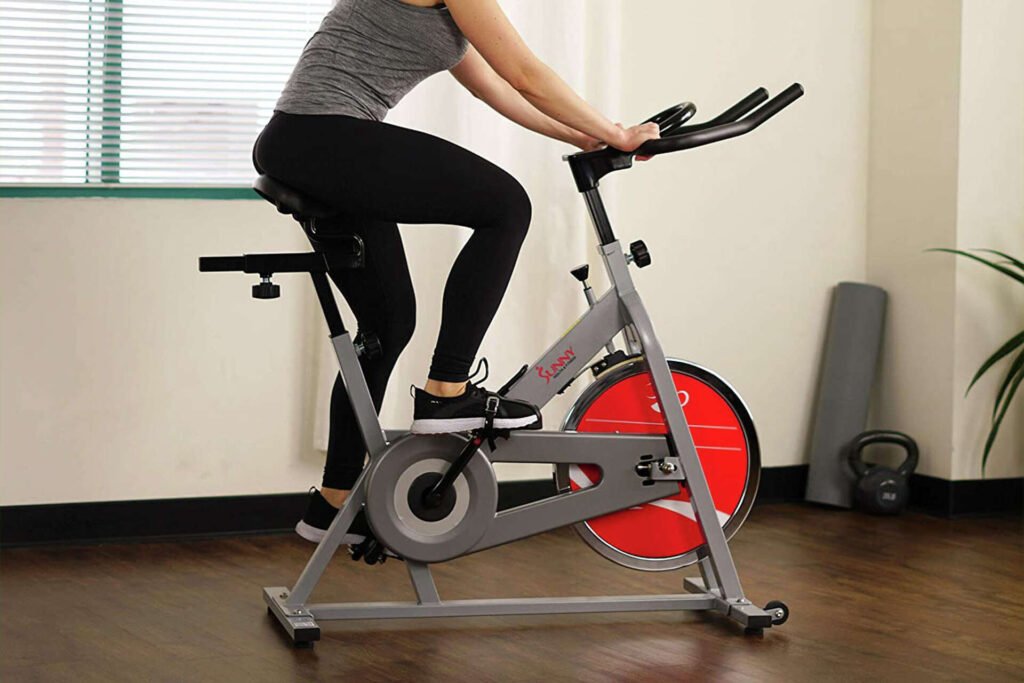
How to Make Your Exercise Bike Even Quieter
Even though most modern exercise bikes operate quietly, small adjustments can further reduce vibration and sound transmission.
These adjustments are particularly helpful for apartment environments.
Use a Protective Equipment Mat
A thick rubber equipment mat placed beneath the bike helps absorb vibration before it travels through the floor.
This simple accessory provides several benefits:
- reduces vibration transmission
- protects flooring surfaces
- improves stability
Rubber mats designed for fitness equipment are widely available and can significantly improve noise insulation.
Level the Bike Properly
Even slight unevenness in the floor can cause subtle vibration during pedaling.
Most bikes include adjustable leveling feet.
Taking a few minutes to stabilize the frame ensures smoother operation and reduces unnecessary movement.
Tighten Bolts Periodically
Over time, minor mechanical looseness can develop.
Checking and tightening bolts occasionally helps maintain the bike’s stability and prevents mechanical noises from developing.
Choose the Right Location
Positioning the bike away from shared walls can reduce sound transfer.
Many apartment users find that placing the bike near an interior wall or on thicker flooring surfaces helps minimize noise transmission.
Common Buying Mistakes Apartment Residents Should Avoid
Choosing the wrong equipment can create unnecessary problems in shared living environments.
Several common mistakes often occur when buyers focus only on features rather than practical usability.
Prioritizing Screens Instead of Mechanics
Many bikes advertise large digital screens or app connectivity.
While these features may be convenient, they do not determine how quiet the bike will be.
For apartment environments, mechanical design matters more than digital features.
Ignoring Resistance Type
Some buyers overlook resistance systems entirely.
However, resistance type is one of the most important factors affecting noise levels.
Magnetic resistance systems are significantly quieter than friction-based alternatives.
Choosing Oversized Studio Bikes
Commercial spin bikes designed for gyms may look appealing but can be unnecessarily large for small apartments.
A compact, well-designed bike often fits apartment environments much better.
Underestimating Space Requirements
Always measure available space before purchasing equipment.
Allowing room for comfortable movement around the bike ensures the equipment integrates naturally into the living environment.
Readers exploring detailed product comparisons may find helpful insights in Wenoker Exercise Bike Review 2026 – Complete Indoor Cycling Bike for Home Use.
Frequently Asked Questions
Is an exercise bike really quiet enough for apartments?
Yes. Most modern bikes using magnetic resistance and belt drive systems operate very quietly. When combined with a protective mat and proper setup, noise levels are typically minimal.
Can downstairs neighbors hear an exercise bike?
Compared to treadmills or high-impact workouts, stationary bikes produce far less structural vibration. Proper placement and flooring protection further reduce sound transmission.
Is cycling safe for beginners over 50?
Yes. Cycling is widely considered one of the most joint-friendly cardiovascular exercises. Because the movement is controlled and seated, it reduces stress on knees and hips compared to many other activities.
Can I cycle every day?
Many people safely cycle daily at moderate intensity. However, beginners should listen to their bodies and include occasional lighter sessions or rest days if needed.
Does cycling help with weight loss?
Cycling increases caloric expenditure and supports metabolic health. When combined with balanced nutrition and consistent exercise habits, it can contribute to gradual fat loss over time.
Is a stationary bike better than a treadmill for apartments?
For most apartment environments, yes. Bikes create rotational movement rather than repeated impact, which significantly reduces noise and vibration.
How long should beginners cycle?
Beginners can start with sessions of 20–25 minutes and gradually increase duration as endurance improves.
Do I need special cycling shoes?
No. Most indoor bikes allow the use of standard athletic shoes. Specialized cycling shoes are optional rather than necessary.
Final Thoughts
Apartment living should never prevent someone from maintaining an active lifestyle.
The key is choosing equipment that respects both your living space and the shared environment around you.
A well-designed indoor exercise bike offers several advantages for apartment residents:
- quiet operation
- compact design
- joint-friendly movement
- sustainable cardiovascular exercise
For beginners and adults over 50, cycling provides a practical and accessible way to build endurance, improve circulation, and support long-term health.
Consistency matters far more than intensity.
A quiet, comfortable workout routine that fits naturally into everyday life is far more effective than occasional extreme workouts that are difficult to maintain.
Indoor cycling offers exactly that balance.
Quiet.
Compact.
Consistent.
Sustainable.