Walking vs Cycling: Which Is Better? Many people decide to start exercising, but they get stuck on one simple question:
Should I start walking or cycling?
At first, this might seem like a small decision. But for beginners, sedentary people, and adults over 50, choosing the right exercise can make the difference between building a healthy routine or giving up after a few weeks.
Some people worry about knee pain.
Others worry about balance.
Many people live in apartments and need something quiet.
And many beginners are simply afraid of starting too hard and getting injured.
The truth is that both walking and cycling are excellent forms of exercise. But depending on your age, fitness level, joints, and lifestyle, one may be a better starting point than the other.
In this guide, we’ll compare walking and cycling in a practical and realistic way — not like a textbook, but like real life. By the end, you’ll know exactly which one is better for your situation and how to start safely.
❤️ Before You Begin
If you’re over 50, your health deserves attention — not pressure.
Starting or returning to exercise after years of inactivity should always be done gradually. The goal is not intensity or speed, but consistency and safety.
If you have joint pain, heart conditions, or chronic health issues, consider speaking with a healthcare professional before starting a new workout routine.
This article is educational and designed to help you understand how equipment works. It is not medical advice.

Walking or Cycling: Which Is Better for Beginners?
For most beginners, the best exercise is not the one that burns more calories or builds more muscle.
The best exercise is the one you will actually continue doing.
Walking is the simplest exercise in the world. You don’t need equipment, you don’t need training, and you don’t need a schedule. You just put on comfortable shoes and start walking.
Cycling, on the other hand, especially indoor cycling, allows you to control resistance, speed, and intensity more easily. Many beginners feel safer on a stationary bike because they can sit down, go slowly, and stop at any time.
Quick Comparison for Beginners
| Factor | Walking | Cycling |
|---|---|---|
| Easy to start | Very easy | Easy |
| Equipment needed | Shoes | Bike |
| Joint impact | Medium | Low |
| Balance required | Yes | No |
| Control intensity | Medium | High |
| Good for sedentary | Yes | Yes |
Conclusion:
Walking is simpler to start. Cycling is easier to control and easier on joints.
Is Walking or Cycling Better for Adults Over 50?
After 50, the main concern is not performance.
The main concern is joint protection, consistency, and safety.
Walking is natural and helps maintain mobility, balance, and bone strength.
Cycling is low impact and reduces stress on knees and hips.
Many adults over 50 actually do very well with a combination of both.
Walking helps:
- balance
- bone density
- mobility
- posture
Cycling helps:
- cardiovascular endurance
- leg strength
- joint protection
- longer exercise sessions
For many people over 50, cycling is more comfortable, but walking is more natural. The best combination is usually both.
You can also read more about safe exercise routines in
Beginner Exercise Guide for Seniors
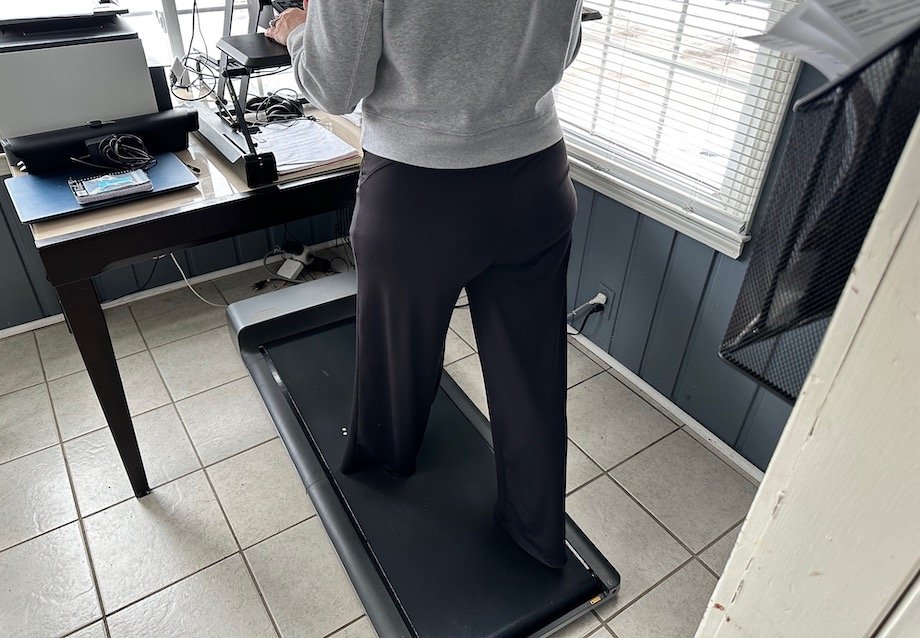
Which Is Better for Weight Loss: Walking or Cycling?
Weight loss depends more on consistency and duration than on the specific exercise.
Cycling usually burns more calories per minute, especially if resistance is added.
Walking burns fewer calories per minute, but many people can walk for longer periods.
Calories Burned (Average)
| Exercise | Calories per 30 min |
|---|---|
| Walking | 120–150 |
| Cycling | 180–250 |
But here is the important part:
Someone who walks 5 days per week will lose more weight than someone who cycles once per week.
Consistency always wins.
Which Is Better for High Blood Pressure?
Both walking and cycling are excellent for blood pressure control.
Doctors usually recommend:
- moderate intensity
- 20–40 minutes
- 3–5 times per week
- steady pace
Cycling has an advantage because intensity is easier to control.
Walking has an advantage because it is easier to do anywhere.
Both are very good choices.
External authority source example:
You can reference Mayo Clinic – Aerobic Exercise and Heart Health
Which Is Better for Diabetes?
For diabetes and blood sugar control, the most important thing is regular movement.
Muscles use glucose when they work.
So both walking and cycling help reduce blood sugar levels.
Cycling may allow longer sessions because it is lower impact.
Walking may be easier to do after meals, which is very helpful for blood sugar control.
Both are excellent options.
Which Is Safer for Bad Knees or Joint Pain?
This is very important.
| Condition | Better Option |
|---|---|
| Knee pain | Cycling |
| Hip pain | Cycling |
| Balance issues | Cycling |
| Back stiffness | Walking |
| Weak legs | Cycling |
| Joint impact sensitivity | Cycling |
Cycling is usually better for people with knee pain because there is no impact.
Walking is still good, but should be done on flat surfaces and with good shoes.
You may also like reading
Safe Exercise Minutes Over 50
Walking vs Cycling: Which Is Better for Apartments?
For apartment living, cycling usually wins.
| Factor | Walking | Cycling |
|---|---|---|
| Noise | Low | Very low |
| Vibration | Low | Very low |
| Space | None | Small |
| Weather | Outside | Inside |
| Safety | Depends | Safe |
| Night exercise | No | Yes |
Indoor cycling is often the best solution for apartments because it is quiet and safe.
You may also read
Indoor Exercise Bike for Apartment

Which Exercise Is Easier to Maintain Long Term?
This might be the most important question in this entire article.
The best exercise is:
The one that fits your life, not the one that looks best on paper.
Walking is easier for:
- people who like being outside
- people with dogs
- people who enjoy sunlight
- people who don’t want equipment
Cycling is easier for:
- apartment living
- bad weather
- joint pain
- watching TV while exercising
- controlled workouts
The best long-term strategy is often:
Walk some days, cycle some days.
Simple Weekly Plan for Beginners
Example routine:
| Day | Exercise |
|---|---|
| Monday | Walking 20 min |
| Tuesday | Rest |
| Wednesday | Cycling 25 min |
| Thursday | Rest |
| Friday | Walking 20 min |
| Saturday | Cycling 30 min |
| Sunday | Rest |
This is already enough to improve health and fitness.
Muitas pessoas que começam a montar uma academia em casa acabam pesquisando esse tipo de equipamento para ver fotos reais, avaliações e preços. Se você quiser dar uma olhada mais de perto, deixei o link abaixo.
- Bicicletas ergométricas Sunny Health & Fitness
- Esteiras Sunny Health & Fitness
- Máquinas de Remo Sunny Health & Fitness
- Elípticos Sunny Health & Fitness
Final Verdict: Walking or Cycling?
Walking and cycling are not enemies.
They are tools.
Walking is natural, simple, and free.
Cycling is low impact, controlled, and comfortable.
If you are sedentary, overweight, over 50, or have joint pain, cycling may be the easier starting point.
If you enjoy being outside and want something simple, walking may be perfect.
But the most important thing is not walking or cycling.
The most important thing is moving consistently.
FAQ
Is walking enough exercise for beginners?
Yes. Walking regularly can significantly improve cardiovascular health and stamina.
Is cycling better than walking for weight loss?
Cycling burns more calories per minute, but both can support weight loss if done regularly.
How long should beginners walk per day?
20–30 minutes is a good starting point.
How long should beginners cycle per day?
20–30 minutes is also a good starting point.
Is cycling safe for seniors?
Yes, especially recumbent bikes and low-resistance cycling.
Can I walk and cycle on the same day?
Yes, but beginners should start slowly and avoid overtraining.
Which is better for bad knees?
Cycling is usually better because it has no impact.
How many days per week should beginners exercise?
3 to 5 days per week is ideal.